
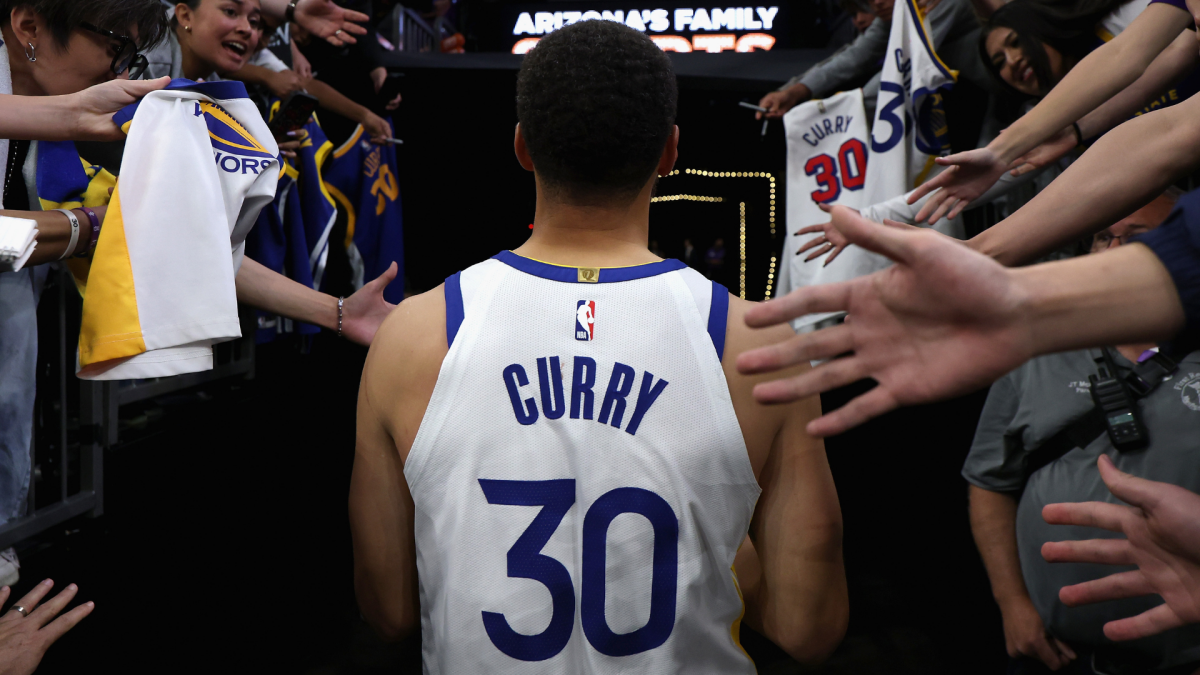
The Warriors are marginalizing the end of Stephen Curry's prime, and it's a basketball sin
Golden State is flirting with a mistake that feels almost sacrilegious in modern basketball: treating the closing chapters of Stephen Curry’s prime as anything less than an all‑in emergency.
Curry remains one of the league’s most terrifying offensive engines, a superstar who still bends defenses, stretches geometry, and warps game plans the moment he crosses half court. Players like this are rare, and their windows are brutally short. For most franchises, having a top‑tier all‑time great still playing at an elite level would trigger a singular organizational mandate: maximize every remaining season.
The Warriors, however, are trying to balance competing timelines. They’re asking Curry to anchor a roster that is part win‑now, part development lab, part salary‑cap puzzle. That kind of hedging may be prudent on paper, but in practice it risks wasting what’s left of his apex.
Across the league, contenders are ruthless about surrounding their superstars with win‑now talent. The Bucks, Nuggets, and Celtics have all treated their franchise centerpieces as non‑negotiable priorities, building rosters specifically tailored to their strengths. Golden State, by contrast, has often prioritized flexibility, future assets, and internal growth. Those goals are reasonable in a vacuum, yet they feel misaligned with where Curry still is as a player.
The basketball sin here isn’t that the Warriors are suddenly bad or poorly run. It’s that they appear content to be merely competitive instead of desperate to be great while Curry is still capable of tilting playoff series by himself. Every season that passes without an aggressive push for top‑tier help is one fewer year in which his transcendent shooting actually matters in the title race.
Franchises don’t get many chances at this level of stardom. Golden State already cashed in some of that good fortune with multiple championships. But the bill for a cautious approach is coming due. If the Warriors continue to treat Curry’s twilight as just another phase in a long‑term plan, history will remember not only what they achieved, but what they left on the table.
Curry remains one of the league’s most terrifying offensive engines, a superstar who still bends defenses, stretches geometry, and warps game plans the moment he crosses half court. Players like this are rare, and their windows are brutally short. For most franchises, having a top‑tier all‑time great still playing at an elite level would trigger a singular organizational mandate: maximize every remaining season.
The Warriors, however, are trying to balance competing timelines. They’re asking Curry to anchor a roster that is part win‑now, part development lab, part salary‑cap puzzle. That kind of hedging may be prudent on paper, but in practice it risks wasting what’s left of his apex.
Across the league, contenders are ruthless about surrounding their superstars with win‑now talent. The Bucks, Nuggets, and Celtics have all treated their franchise centerpieces as non‑negotiable priorities, building rosters specifically tailored to their strengths. Golden State, by contrast, has often prioritized flexibility, future assets, and internal growth. Those goals are reasonable in a vacuum, yet they feel misaligned with where Curry still is as a player.
The basketball sin here isn’t that the Warriors are suddenly bad or poorly run. It’s that they appear content to be merely competitive instead of desperate to be great while Curry is still capable of tilting playoff series by himself. Every season that passes without an aggressive push for top‑tier help is one fewer year in which his transcendent shooting actually matters in the title race.
Franchises don’t get many chances at this level of stardom. Golden State already cashed in some of that good fortune with multiple championships. But the bill for a cautious approach is coming due. If the Warriors continue to treat Curry’s twilight as just another phase in a long‑term plan, history will remember not only what they achieved, but what they left on the table.