Adam Silver wants to 'root out' NBA tanking, but the incentives still greatly outweigh the fines
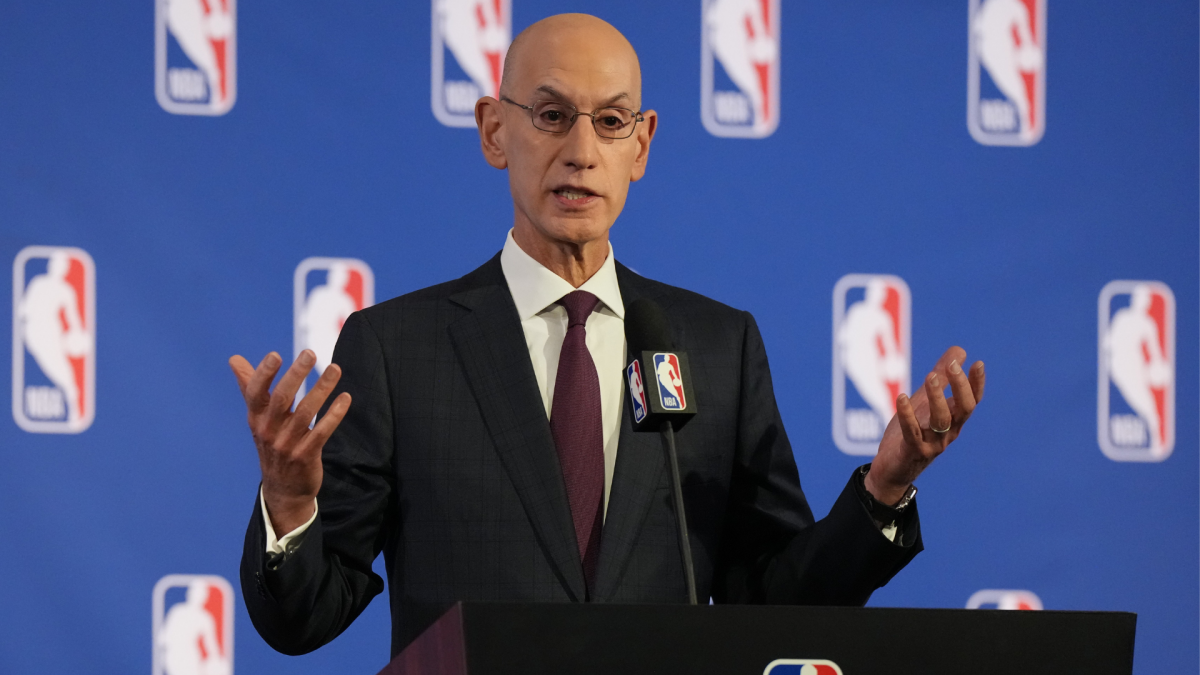
Adam Silver has made it clear he wants intentional losing pushed out of the NBA’s competitive ecosystem, framing tanking as a threat to the league’s integrity and to fan trust. Yet even as the league office tightens rules and hands out fines, the underlying math of roster building still nudges struggling franchises toward behavior that looks a lot like tanking.
For front offices, the calculus is straightforward. The draft remains the most reliable path to acquiring superstar talent on cost-controlled contracts. A few extra losses in a lost season can dramatically improve lottery odds, and one franchise-changing player can reshape a team’s trajectory for a decade. Against that potential payoff, even sizable financial penalties or public reprimands can feel like a manageable cost of doing business.
The NBA has tried to blunt the incentive. Lottery odds have been flattened, making it less automatic that the worst record yields the top pick. The league has also become more aggressive in policing overt rest patterns and lineups that appear designed to lose. Still, the system rewards bad records with better draft position, and smart teams understand probability as well as anyone.
The gray area is where the tension lies. A rebuilding club can frame its decisions as “player development” or “asset evaluation,” while fans and rivals see a roster stripped of veterans and a rotation tilted toward raw prospects. That ambiguity makes tanking difficult to legislate out of existence. The league can punish the most blatant cases, but it cannot dictate coaching decisions night to night without undermining competitive autonomy.
Silver’s challenge is to reshape incentives rather than simply threaten punishment. Ideas often floated around the league include more radical lottery reforms, play-in style rewards for near-playoff teams, or mechanisms that more strongly reward organizational competence over sheer losing. Until such structural changes meaningfully shift the risk-reward equation, some version of tanking will persist in the margins.
The commissioner can condemn it, fine it and spotlight it. But as long as the draft is tied to the standings, the chase for the next cornerstone star will continue to tempt teams to dance near the line.
For front offices, the calculus is straightforward. The draft remains the most reliable path to acquiring superstar talent on cost-controlled contracts. A few extra losses in a lost season can dramatically improve lottery odds, and one franchise-changing player can reshape a team’s trajectory for a decade. Against that potential payoff, even sizable financial penalties or public reprimands can feel like a manageable cost of doing business.
The NBA has tried to blunt the incentive. Lottery odds have been flattened, making it less automatic that the worst record yields the top pick. The league has also become more aggressive in policing overt rest patterns and lineups that appear designed to lose. Still, the system rewards bad records with better draft position, and smart teams understand probability as well as anyone.
The gray area is where the tension lies. A rebuilding club can frame its decisions as “player development” or “asset evaluation,” while fans and rivals see a roster stripped of veterans and a rotation tilted toward raw prospects. That ambiguity makes tanking difficult to legislate out of existence. The league can punish the most blatant cases, but it cannot dictate coaching decisions night to night without undermining competitive autonomy.
Silver’s challenge is to reshape incentives rather than simply threaten punishment. Ideas often floated around the league include more radical lottery reforms, play-in style rewards for near-playoff teams, or mechanisms that more strongly reward organizational competence over sheer losing. Until such structural changes meaningfully shift the risk-reward equation, some version of tanking will persist in the margins.
The commissioner can condemn it, fine it and spotlight it. But as long as the draft is tied to the standings, the chase for the next cornerstone star will continue to tempt teams to dance near the line.