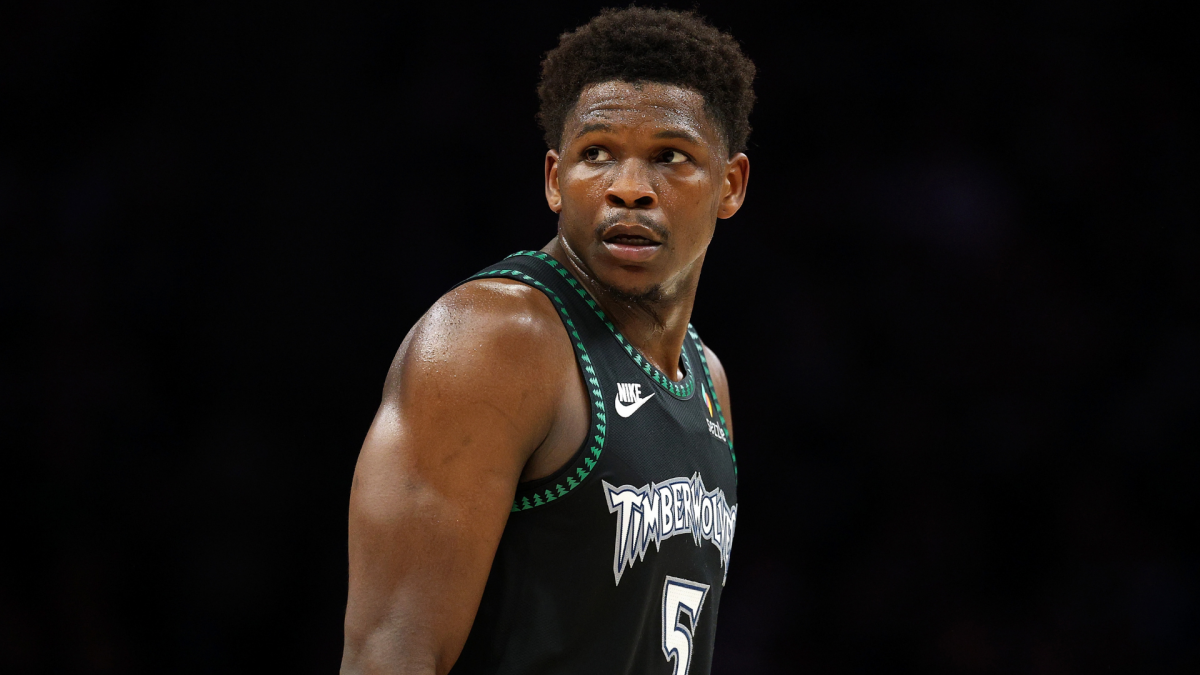

Anthony Edwards and the Timberwolves are still trying to climb over the Western Conference hump
For all their recent strides, the Minnesota Timberwolves remain a contender still learning how to finish the climb in a brutal Western Conference. At the center of that effort is Anthony Edwards, the explosive young guard whose rise has reset the franchise’s expectations but not yet broken through the conference ceiling.
Edwards has already emerged as the face of the organization, the player Minnesota trusts in late-clock, late-game situations. His blend of power, athleticism, and shot creation gives the Wolves a true headliner in a conference crowded with superstar wings and guards. Yet the West demands more than star power. It demands layers of reliability: half-court execution, depth that holds up across an 82-game grind, and the ability to win on the margins against veteran-laden rosters.
Minnesota’s identity is built around a rugged defense, anchored by size in the frontcourt and a commitment to contesting everything at the rim. That profile travels in the postseason, but it also puts a premium on offensive clarity. The next step is smoothing out the stretches when the offense bogs down and Edwards is forced into difficult, self-created looks against set defenses.
The Western Conference landscape offers little margin for error. Established contenders feature multiple All-Star level options and continuity that has been built over years of shared playoff scars. Emerging threats are younger, deeper, and better spaced than ever. For the Timberwolves, that means Edwards’ growth as a decision-maker, not just a scorer, is central to their hopes of moving from “dangerous” to “inevitable.”
League-wide, executives view Minnesota as a team on the verge: talented enough to scare anyone, still searching for the consistency required to control a series. If Edwards continues to evolve as a leader who can organize an offense, set a nightly standard, and elevate teammates in tense moments, the Wolves’ climb over the Western hump becomes less a question of “if” and more a matter of “when.”
Edwards has already emerged as the face of the organization, the player Minnesota trusts in late-clock, late-game situations. His blend of power, athleticism, and shot creation gives the Wolves a true headliner in a conference crowded with superstar wings and guards. Yet the West demands more than star power. It demands layers of reliability: half-court execution, depth that holds up across an 82-game grind, and the ability to win on the margins against veteran-laden rosters.
Minnesota’s identity is built around a rugged defense, anchored by size in the frontcourt and a commitment to contesting everything at the rim. That profile travels in the postseason, but it also puts a premium on offensive clarity. The next step is smoothing out the stretches when the offense bogs down and Edwards is forced into difficult, self-created looks against set defenses.
The Western Conference landscape offers little margin for error. Established contenders feature multiple All-Star level options and continuity that has been built over years of shared playoff scars. Emerging threats are younger, deeper, and better spaced than ever. For the Timberwolves, that means Edwards’ growth as a decision-maker, not just a scorer, is central to their hopes of moving from “dangerous” to “inevitable.”
League-wide, executives view Minnesota as a team on the verge: talented enough to scare anyone, still searching for the consistency required to control a series. If Edwards continues to evolve as a leader who can organize an offense, set a nightly standard, and elevate teammates in tense moments, the Wolves’ climb over the Western hump becomes less a question of “if” and more a matter of “when.”