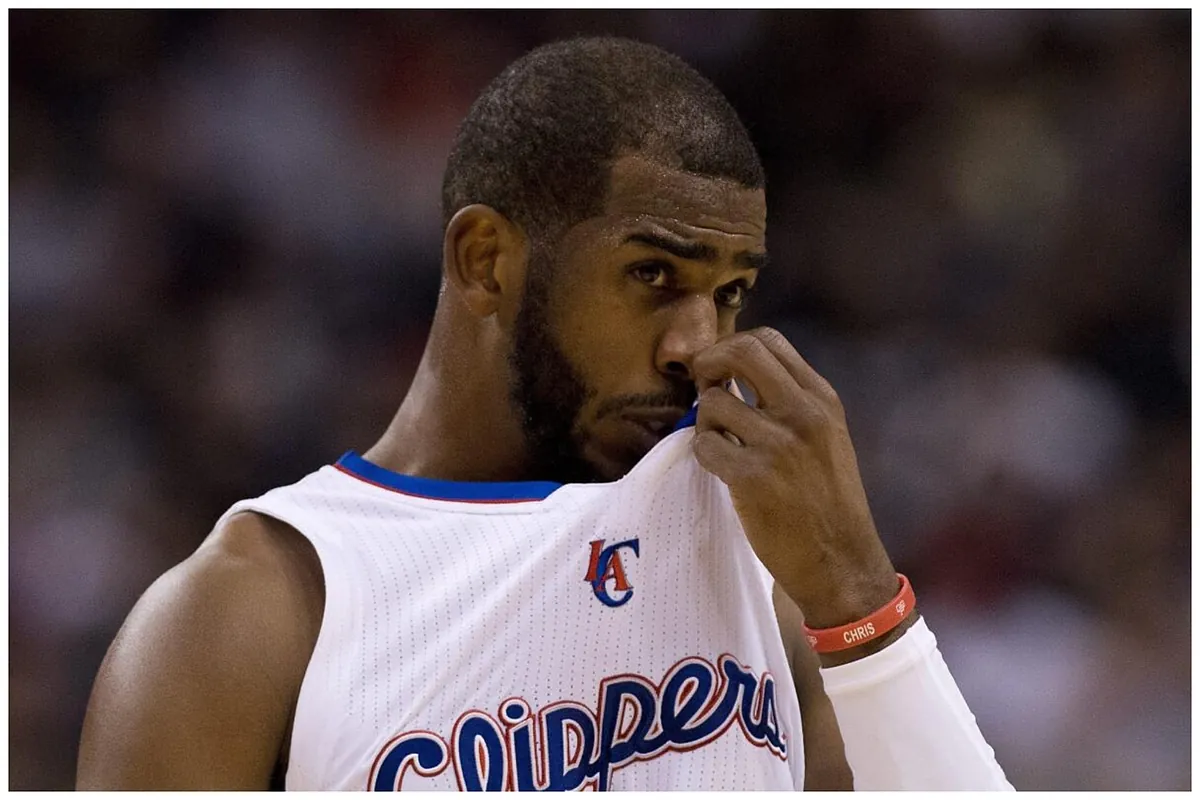
Chris Paul announces his retirement and puts an end to a historic 21-year NBA career
Chris Paul is officially walking away from the NBA, closing the book on one of the most accomplished and influential 21-year careers the league has ever seen. The veteran point guard, long regarded as the model of floor leadership and professionalism, announced that he is retiring and shifting his focus to life beyond the court.
Paul’s departure marks the end of an era for the “pure point guard” archetype. At his peak, he controlled games with a rare blend of vision, pace, and precision, turning pick‑and‑rolls into an art form and raising the efficiency of virtually every offense he touched. From early superstardom to his late‑career reinventions, he consistently served as the connective tissue that transformed talented rosters into legitimate contenders.
Though a championship ring ultimately eluded him, Paul’s legacy is secure at the highest tier of guards in NBA history. His résumé, highlighted by perennial All-Star selections and all-league honors, underscored his standing as one of the most complete two-way point guards of his generation. Coaches trusted him to orchestrate, teammates leaned on his poise, and opponents routinely game‑planned around his command of late‑game situations.
Beyond the box score, Paul’s impact on the league’s culture and business is substantial. He was a central voice in labor conversations, an advocate on social and community issues, and a visible leader in modernizing the relationship between players and the league office. Younger guards often cited him as a template for how to prepare, study film, and manage the mental side of the game.
His retirement also signals a generational shift. Many of the stars who defined the league’s style and identity for more than a decade are moving on, leaving a new wave of guards to reinterpret the position in an era dominated by pace, spacing, and three-point volume. Yet traces of Paul’s influence are everywhere: in the emphasis on reads over raw athleticism, in the value teams place on decision‑making, and in the growing recognition that leadership is a skill as vital as any crossover.
With Chris Paul stepping away, the NBA loses not just a Hall of Fame talent, but one of its clearest on-court thinkers. His career becomes a benchmark against which future point guards will inevitably be measured.
Paul’s departure marks the end of an era for the “pure point guard” archetype. At his peak, he controlled games with a rare blend of vision, pace, and precision, turning pick‑and‑rolls into an art form and raising the efficiency of virtually every offense he touched. From early superstardom to his late‑career reinventions, he consistently served as the connective tissue that transformed talented rosters into legitimate contenders.
Though a championship ring ultimately eluded him, Paul’s legacy is secure at the highest tier of guards in NBA history. His résumé, highlighted by perennial All-Star selections and all-league honors, underscored his standing as one of the most complete two-way point guards of his generation. Coaches trusted him to orchestrate, teammates leaned on his poise, and opponents routinely game‑planned around his command of late‑game situations.
Beyond the box score, Paul’s impact on the league’s culture and business is substantial. He was a central voice in labor conversations, an advocate on social and community issues, and a visible leader in modernizing the relationship between players and the league office. Younger guards often cited him as a template for how to prepare, study film, and manage the mental side of the game.
His retirement also signals a generational shift. Many of the stars who defined the league’s style and identity for more than a decade are moving on, leaving a new wave of guards to reinterpret the position in an era dominated by pace, spacing, and three-point volume. Yet traces of Paul’s influence are everywhere: in the emphasis on reads over raw athleticism, in the value teams place on decision‑making, and in the growing recognition that leadership is a skill as vital as any crossover.
With Chris Paul stepping away, the NBA loses not just a Hall of Fame talent, but one of its clearest on-court thinkers. His career becomes a benchmark against which future point guards will inevitably be measured.