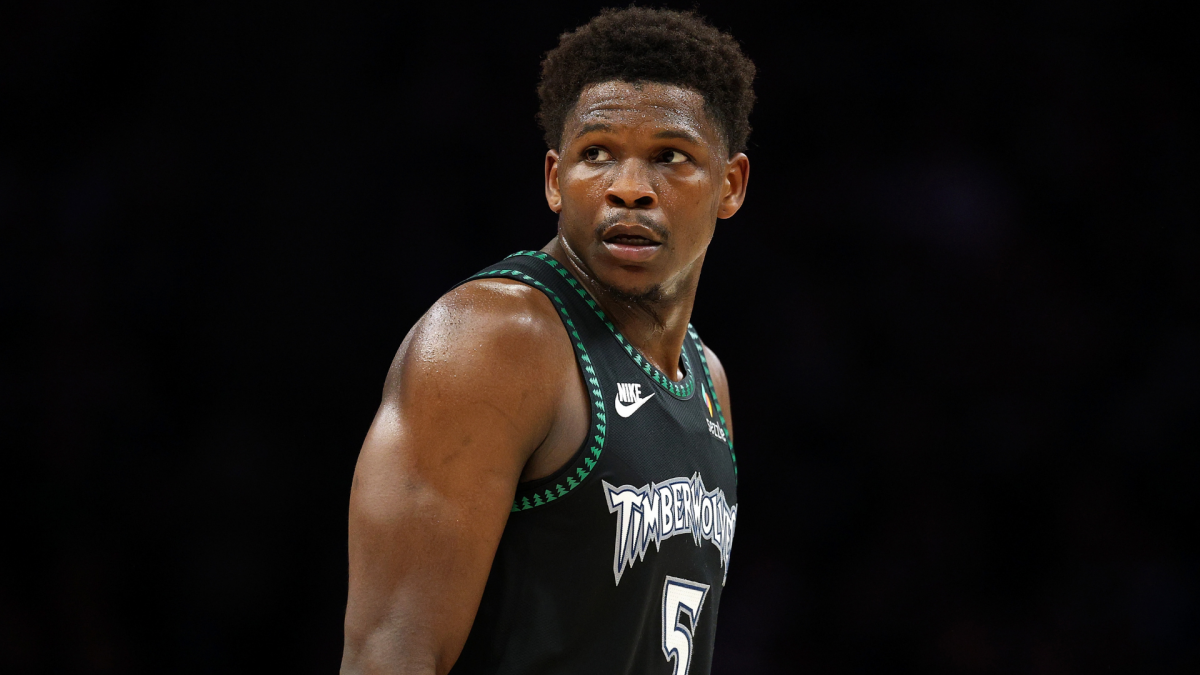

Deron Williams responded to Kobe Bryant after he questioned his mentality
Deron Williams has never shied away from honest self-evaluation, and his latest comments about Kobe Bryant questioning his mentality offered a revealing window into both his career and the way stars are judged in the NBA.
Bryant, the late Lakers legend, was famously demanding of peers and opponents, often measuring them by his own unforgiving competitive standard. Williams, a three-time All-Star and one of the premier point guards of his era, was among those Bryant once scrutinized, suggesting that Williams didn’t always display the relentless edge required to dominate consistently.
In responding, Williams didn’t try to match Bryant’s bravado. Instead, he leaned into nuance, acknowledging that Kobe’s mentality was rare even among elite players, and suggesting that not sharing that exact mindset doesn’t automatically equate to being soft or uncompetitive. His reflection underscores a larger truth around the league: there is no single template for greatness.
The conversation is particularly relevant in today’s NBA, where player empowerment, mental health awareness, and workload management have reshaped expectations. Bryant represented the archetype of the relentless grinder, playing through pain and obsessing over every possession. Williams’ response hints at a different model, one where players seek balance without forfeiting ambition.
From a league perspective, this exchange highlights a generational divide in how toughness is defined. Older stars often frame mentality around playing hurt and embracing confrontation. Younger players and recent retirees speak more openly about burnout, anxiety, and the cost of that “Mamba” standard. Williams situates himself in the middle, respecting Bryant’s greatness while pushing back on the idea that only one mindset is valid.
It also reframes how Williams’ own career is remembered. Once compared with the very best guards in the game, his trajectory became a popular “what if” topic. By addressing Bryant’s critique directly, he’s helping to reclaim his narrative, reminding fans that careers are shaped not only by mentality, but by health, context, and timing.
In a league that still lionizes Kobe’s intensity, Williams’ measured response adds a necessary layer: admiration without mythmaking, honesty without self-erasure.
Bryant, the late Lakers legend, was famously demanding of peers and opponents, often measuring them by his own unforgiving competitive standard. Williams, a three-time All-Star and one of the premier point guards of his era, was among those Bryant once scrutinized, suggesting that Williams didn’t always display the relentless edge required to dominate consistently.
In responding, Williams didn’t try to match Bryant’s bravado. Instead, he leaned into nuance, acknowledging that Kobe’s mentality was rare even among elite players, and suggesting that not sharing that exact mindset doesn’t automatically equate to being soft or uncompetitive. His reflection underscores a larger truth around the league: there is no single template for greatness.
The conversation is particularly relevant in today’s NBA, where player empowerment, mental health awareness, and workload management have reshaped expectations. Bryant represented the archetype of the relentless grinder, playing through pain and obsessing over every possession. Williams’ response hints at a different model, one where players seek balance without forfeiting ambition.
From a league perspective, this exchange highlights a generational divide in how toughness is defined. Older stars often frame mentality around playing hurt and embracing confrontation. Younger players and recent retirees speak more openly about burnout, anxiety, and the cost of that “Mamba” standard. Williams situates himself in the middle, respecting Bryant’s greatness while pushing back on the idea that only one mindset is valid.
It also reframes how Williams’ own career is remembered. Once compared with the very best guards in the game, his trajectory became a popular “what if” topic. By addressing Bryant’s critique directly, he’s helping to reclaim his narrative, reminding fans that careers are shaped not only by mentality, but by health, context, and timing.
In a league that still lionizes Kobe’s intensity, Williams’ measured response adds a necessary layer: admiration without mythmaking, honesty without self-erasure.