Do the Cavaliers have a Darius Garland-Donovan Mitchell problem?
The question hovering over Rocket Mortgage FieldHouse is no longer a whisper—it is a roar that the Cleveland Cavaliers can no longer ignore. For three seasons, the organization has bet heavily on the idea that two All-Star ball-handlers could coexist and thrive. But as the Cavaliers trudge through a mediocre 2025-26 campaign, currently hovering near .500, the evidence suggests the Darius Garland and Donovan Mitchell partnership has reached a point of diminishing returns.
The contrast is stark. This time last season, Cleveland was the talk of the NBA, sprinting to a 25-5 start. Today, the magic has evaporated, replaced by a disjointed offense and a defense that struggles to hide two undersized guards. The issue isn't a lack of talent; it is a redundancy of skill sets. Both guards need the ball to be effective, leading to a "your turn, my turn" offense that stagnates against elite competition. While Mitchell remains a bona fide MVP candidate, Garland’s development appears stifled, relegated to an overqualified secondary role that reportedly has the 25-year-old eyeing a fresh start where he can run the show.
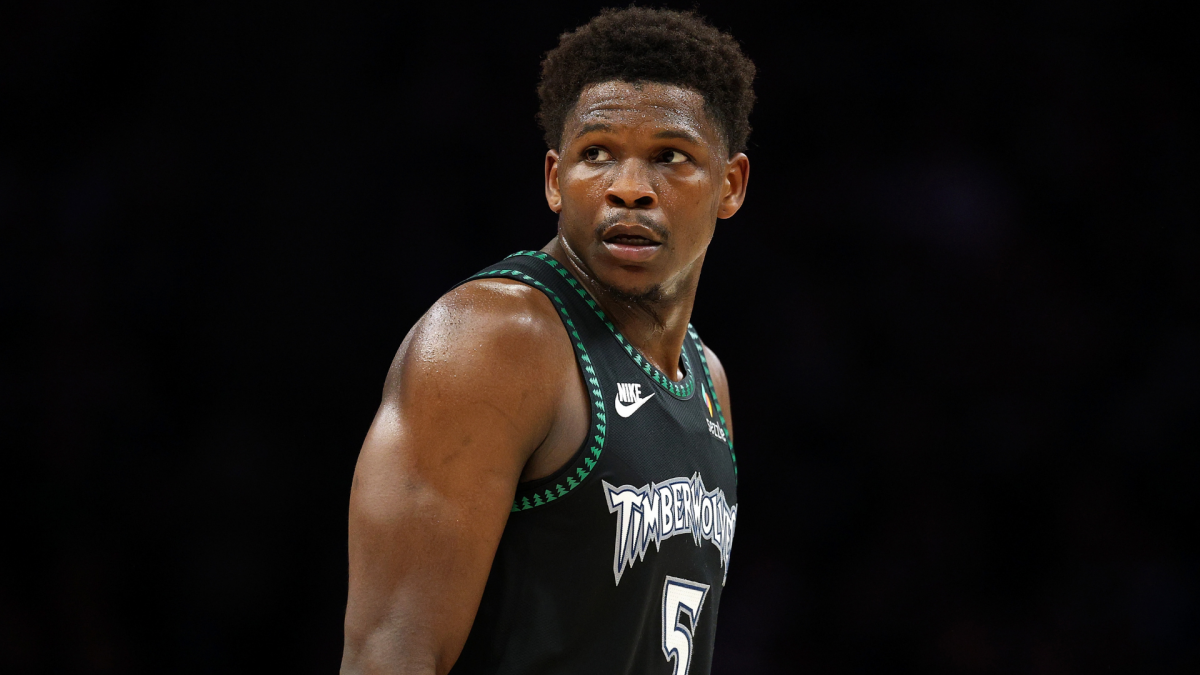
Trade chatter is naturally intensifying as the February deadline approaches. Reports indicate that teams like the Sacramento Kings and Minnesota Timberwolves are monitoring the situation, sensing that Cleveland may finally be ready to pivot. The dilemma for the Cavs’ front office is painful but necessary: do they double down on a flawed roster construction, or do they move Garland to balance the lineup with elite wing depth or frontcourt help?
The "problem" is not personal animosity, but functional incompatibility. In the modern NBA, roster balance is paramount, and Cleveland is currently tilting dangerously toward instability. With the team struggling to replicate the chemistry of 2024-25, the front office faces a defining moment. If they don't address the backcourt overlap now, they risk wasting the prime years of Donovan Mitchell in a cycle of good-but-not-great basketball. The experiment has had its run; now, the Cavaliers must decide if they have the courage to end it.
The contrast is stark. This time last season, Cleveland was the talk of the NBA, sprinting to a 25-5 start. Today, the magic has evaporated, replaced by a disjointed offense and a defense that struggles to hide two undersized guards. The issue isn't a lack of talent; it is a redundancy of skill sets. Both guards need the ball to be effective, leading to a "your turn, my turn" offense that stagnates against elite competition. While Mitchell remains a bona fide MVP candidate, Garland’s development appears stifled, relegated to an overqualified secondary role that reportedly has the 25-year-old eyeing a fresh start where he can run the show.
Trade chatter is naturally intensifying as the February deadline approaches. Reports indicate that teams like the Sacramento Kings and Minnesota Timberwolves are monitoring the situation, sensing that Cleveland may finally be ready to pivot. The dilemma for the Cavs’ front office is painful but necessary: do they double down on a flawed roster construction, or do they move Garland to balance the lineup with elite wing depth or frontcourt help?
The "problem" is not personal animosity, but functional incompatibility. In the modern NBA, roster balance is paramount, and Cleveland is currently tilting dangerously toward instability. With the team struggling to replicate the chemistry of 2024-25, the front office faces a defining moment. If they don't address the backcourt overlap now, they risk wasting the prime years of Donovan Mitchell in a cycle of good-but-not-great basketball. The experiment has had its run; now, the Cavaliers must decide if they have the courage to end it.