Doug Moe, former Nuggets, Spurs, 76ers coach, ABA All-Star and champion, dies at 87
Doug Moe, Architect of High-Octane Offense and ABA Legend, Dies at 87
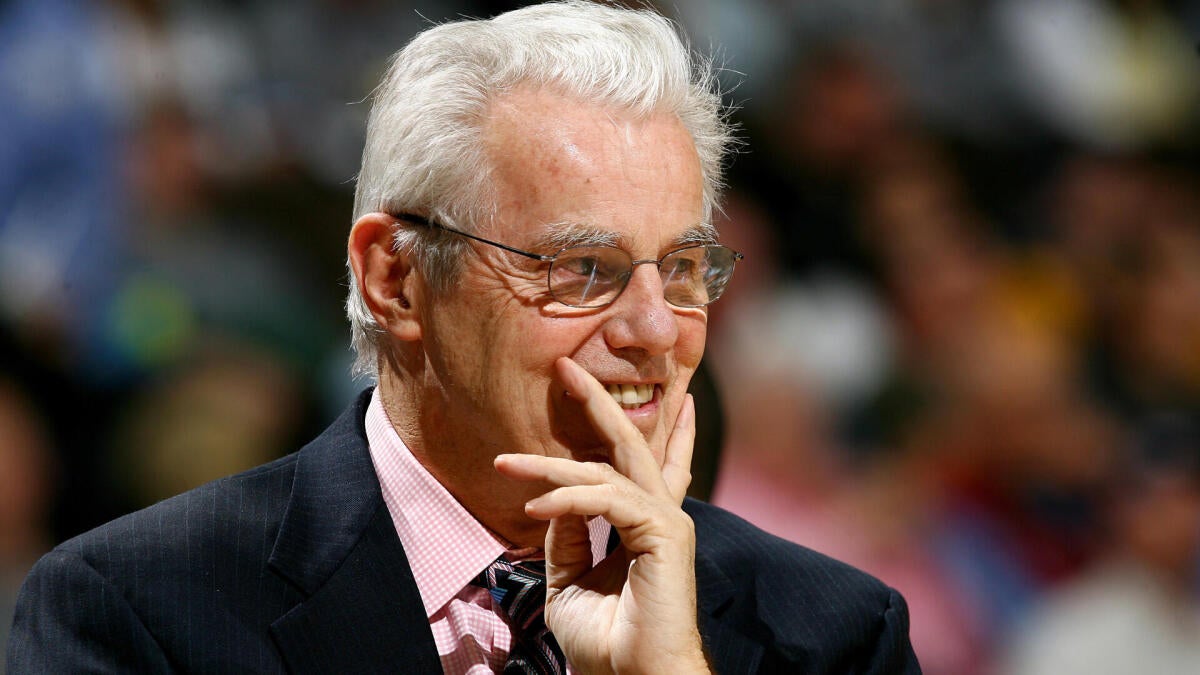
The NBA family lost one of its most colorful and innovative figures this week. Doug Moe, the offensive mastermind who transformed the Denver Nuggets into a scoring juggernaut during the 1980s and starred as a player in the ABA, died Tuesday in San Antonio. He was 87.
While Moe coached the San Antonio Spurs and briefly the Philadelphia 76ers, his legacy is forever tethered to Denver. Taking over the Nuggets in 1980, Moe implemented his signature "passing game," a system that eschewed rigid set plays in favor of constant motion, cutting, and unselfishness. The result was a frantic, fan-friendly style that consistently led the league in scoring. His 1981-82 squad averaged a staggering 126.5 points per game, a record that still stands today. Under his guidance, stars like Alex English and Fat Lever flourished, and the Nuggets made nine consecutive postseason appearances.
Moe’s coaching brilliance was recognized league-wide when he was named the NBA Coach of the Year in 1988 after leading Denver to a franchise-record 54 wins. He remained the winningest coach in Nuggets history with 432 victories until current head coach Michael Malone surpassed him in late 2024—a milestone Moe reportedly cheered on from retirement.
Before stalking the sidelines in his trademark rumpled suits, Moe was a force on the court. A standout at North Carolina, he became a star in the upstart ABA, earning three All-Star selections. He was a key member of the Oakland Oaks team that won the 1969 ABA Championship, cementing his status as a winner in both coaching and playing capacities.
Known for his blunt honesty and refusal to take himself too seriously, Moe was beloved by players for his "players' coach" mentality. He often joked that his job was simply to not get in the way of talent. Today, as the modern NBA embraces "pace and space," the league looks increasingly like the vision Doug Moe championed four decades ago. He leaves behind a game that finally caught up to his speed.
The NBA family lost one of its most colorful and innovative figures this week. Doug Moe, the offensive mastermind who transformed the Denver Nuggets into a scoring juggernaut during the 1980s and starred as a player in the ABA, died Tuesday in San Antonio. He was 87.
While Moe coached the San Antonio Spurs and briefly the Philadelphia 76ers, his legacy is forever tethered to Denver. Taking over the Nuggets in 1980, Moe implemented his signature "passing game," a system that eschewed rigid set plays in favor of constant motion, cutting, and unselfishness. The result was a frantic, fan-friendly style that consistently led the league in scoring. His 1981-82 squad averaged a staggering 126.5 points per game, a record that still stands today. Under his guidance, stars like Alex English and Fat Lever flourished, and the Nuggets made nine consecutive postseason appearances.
Moe’s coaching brilliance was recognized league-wide when he was named the NBA Coach of the Year in 1988 after leading Denver to a franchise-record 54 wins. He remained the winningest coach in Nuggets history with 432 victories until current head coach Michael Malone surpassed him in late 2024—a milestone Moe reportedly cheered on from retirement.
Before stalking the sidelines in his trademark rumpled suits, Moe was a force on the court. A standout at North Carolina, he became a star in the upstart ABA, earning three All-Star selections. He was a key member of the Oakland Oaks team that won the 1969 ABA Championship, cementing his status as a winner in both coaching and playing capacities.
Known for his blunt honesty and refusal to take himself too seriously, Moe was beloved by players for his "players' coach" mentality. He often joked that his job was simply to not get in the way of talent. Today, as the modern NBA embraces "pace and space," the league looks increasingly like the vision Doug Moe championed four decades ago. He leaves behind a game that finally caught up to his speed.