Inside the Celtics' recipe to maintaining their elite offense without Jayson Tatum
The Celtics have spent years building an offensive system that doesn’t collapse when one star sits, and nowhere is that more evident than when Jayson Tatum is off the floor. What could be a glaring vulnerability for a top-heavy contender has quietly become one of Boston’s competitive advantages.
The foundation is structural. Boston’s offense is less about one player’s isolation brilliance and more about spacing, pace, and decision-making. With a five-out template and multiple ballhandlers on the floor, the Celtics lean on quick-hitting actions rather than Tatum-centric sets. That philosophy allows them to slide other creators into larger roles without overhauling the playbook.
Jaylen Brown is the most obvious beneficiary. Without Tatum, Brown’s touches shift from secondary attacks to primary reads. The offense leans into his downhill game, using high screens, empty-side pick-and-rolls, and early offense to get him to his preferred spots. The goal is not to replicate Tatum’s shot diet but to accentuate what Brown does best while keeping the ball moving.
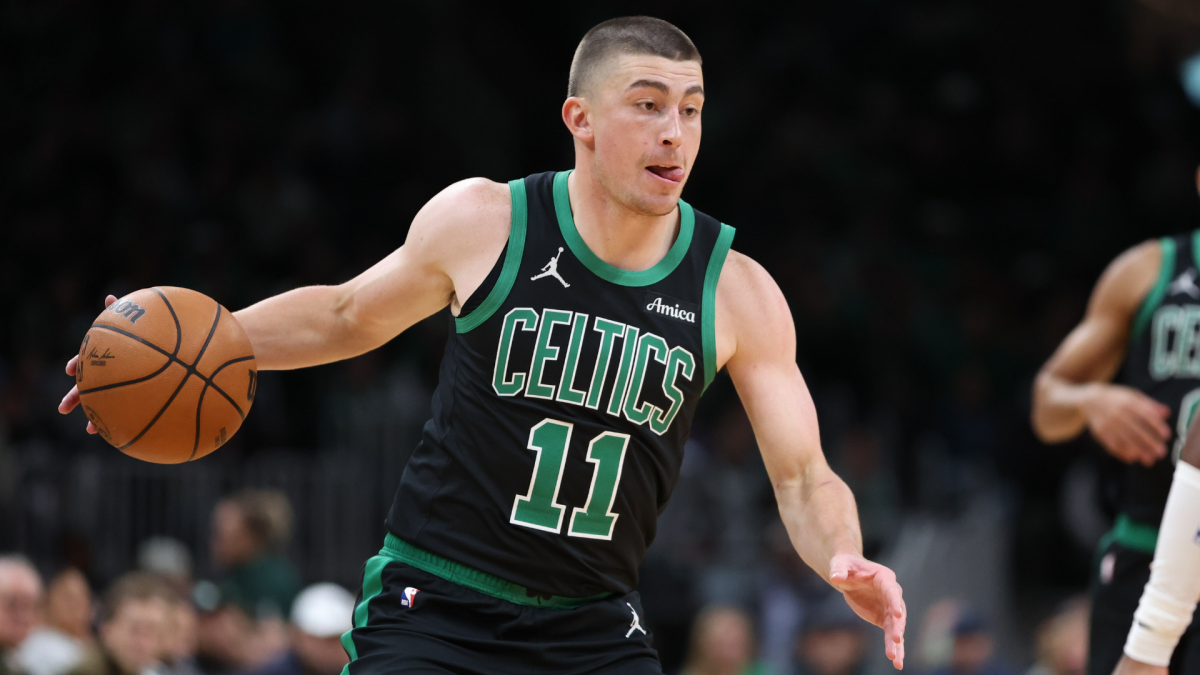
Boston’s guard and wing depth fills in the rest. Multiple initiators can run the offense, triggering drive-and-kick sequences that keep weak-side defenders occupied. That depth is crucial: instead of one player trying to “replace” Tatum’s usage, the Celtics distribute responsibilities across the perimeter, maintaining tempo and unpredictability.
Shooting is the other pillar. With lineups stacked with credible threats beyond the arc, defenses can’t overload the paint to clog driving lanes. That spacing makes it easier for Boston to manufacture efficient looks through simple actions: swing-swing passes, ghost screens, and quick post touches that flow into kick-outs. Role players become more dangerous when the system naturally generates open threes and clean second-side drives.
From a league-wide perspective, Boston’s approach mirrors the trend among elite offenses: star-driven, but system-sustained. The Celtics still rely heavily on Tatum’s shot creation and gravity, yet their ability to remain potent without him underscores why they’re viewed as a true contender. It isn’t just about having a superstar. It’s about ensuring the machine keeps humming when the superstar rests.
The foundation is structural. Boston’s offense is less about one player’s isolation brilliance and more about spacing, pace, and decision-making. With a five-out template and multiple ballhandlers on the floor, the Celtics lean on quick-hitting actions rather than Tatum-centric sets. That philosophy allows them to slide other creators into larger roles without overhauling the playbook.
Jaylen Brown is the most obvious beneficiary. Without Tatum, Brown’s touches shift from secondary attacks to primary reads. The offense leans into his downhill game, using high screens, empty-side pick-and-rolls, and early offense to get him to his preferred spots. The goal is not to replicate Tatum’s shot diet but to accentuate what Brown does best while keeping the ball moving.
Boston’s guard and wing depth fills in the rest. Multiple initiators can run the offense, triggering drive-and-kick sequences that keep weak-side defenders occupied. That depth is crucial: instead of one player trying to “replace” Tatum’s usage, the Celtics distribute responsibilities across the perimeter, maintaining tempo and unpredictability.
Shooting is the other pillar. With lineups stacked with credible threats beyond the arc, defenses can’t overload the paint to clog driving lanes. That spacing makes it easier for Boston to manufacture efficient looks through simple actions: swing-swing passes, ghost screens, and quick post touches that flow into kick-outs. Role players become more dangerous when the system naturally generates open threes and clean second-side drives.
From a league-wide perspective, Boston’s approach mirrors the trend among elite offenses: star-driven, but system-sustained. The Celtics still rely heavily on Tatum’s shot creation and gravity, yet their ability to remain potent without him underscores why they’re viewed as a true contender. It isn’t just about having a superstar. It’s about ensuring the machine keeps humming when the superstar rests.