NBA free agency winners and losers: Sixers cash in while Celtics pay price
Free agency has reshaped the NBA’s balance of power again, and few teams illustrate the divide between winners and losers more clearly than the Philadelphia 76ers and the Boston Celtics.
Philadelphia approached the market with clarity: surround Joel Embiid and Tyrese Maxey with high-end talent, preserve flexibility, and signal urgency. By aggressively using cap space and short- to mid-term commitments, the Sixers turned a star-centric core into a more complete roster. They added shot creation, size on the wing, and playoff-tested experience, the kind of ingredients that have too often been missing when their seasons unraveled. League executives will note that Philadelphia didn’t just chase names; it targeted fits. Lineups around Embiid now project to have better spacing, more secondary playmaking, and clearer defensive roles. That’s how a franchise moves from perennial “what if” to genuine contender.
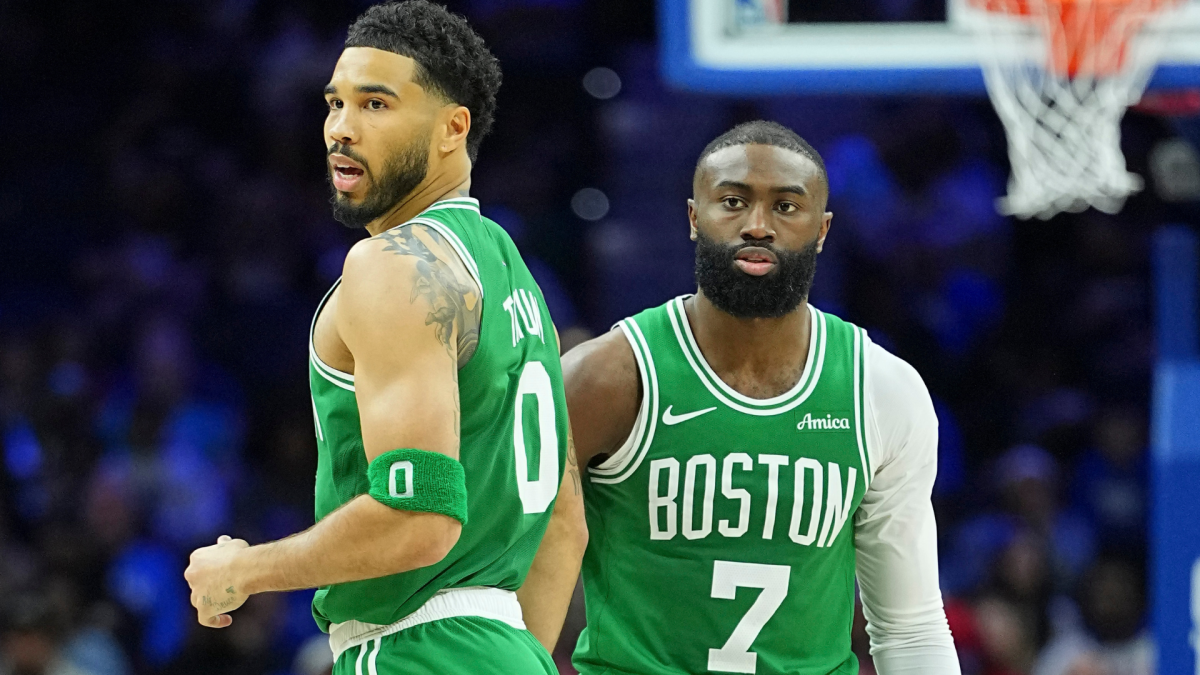
Boston, by contrast, finds itself on the other side of the ledger, not because its core is any less formidable, but because the financial bill for sustained contention has come due. The Celtics are staring at the harsher realities of the new collective bargaining agreement, where second-apron penalties squeeze flexibility and limit the tools contenders once relied on to retool on the fly. Retaining elite talent is non-negotiable for a team with championship expectations, yet doing so at maximum prices restricts depth and optionality. Marginal role players cost more. Mid-tier mistakes become harder to fix. Every move is weighed not just against basketball value but also against punitive tax implications.
From a league-wide perspective, Philadelphia’s surge and Boston’s financial squeeze underscore a shifting landscape. Cap space, once hoarded for distant dreams, now functions as a weapon for immediate upgrades. Meanwhile, super-taxed contenders must thread a finer needle, relying on internal development, late-first-round hits, and minimum contracts to sustain their edge.
The Sixers exit this free agency period looking more dangerous and more balanced. The Celtics remain elite, but their margin for error has narrowed, and the cost of staying on top has never been clearer.
Philadelphia approached the market with clarity: surround Joel Embiid and Tyrese Maxey with high-end talent, preserve flexibility, and signal urgency. By aggressively using cap space and short- to mid-term commitments, the Sixers turned a star-centric core into a more complete roster. They added shot creation, size on the wing, and playoff-tested experience, the kind of ingredients that have too often been missing when their seasons unraveled. League executives will note that Philadelphia didn’t just chase names; it targeted fits. Lineups around Embiid now project to have better spacing, more secondary playmaking, and clearer defensive roles. That’s how a franchise moves from perennial “what if” to genuine contender.
Boston, by contrast, finds itself on the other side of the ledger, not because its core is any less formidable, but because the financial bill for sustained contention has come due. The Celtics are staring at the harsher realities of the new collective bargaining agreement, where second-apron penalties squeeze flexibility and limit the tools contenders once relied on to retool on the fly. Retaining elite talent is non-negotiable for a team with championship expectations, yet doing so at maximum prices restricts depth and optionality. Marginal role players cost more. Mid-tier mistakes become harder to fix. Every move is weighed not just against basketball value but also against punitive tax implications.
From a league-wide perspective, Philadelphia’s surge and Boston’s financial squeeze underscore a shifting landscape. Cap space, once hoarded for distant dreams, now functions as a weapon for immediate upgrades. Meanwhile, super-taxed contenders must thread a finer needle, relying on internal development, late-first-round hits, and minimum contracts to sustain their edge.
The Sixers exit this free agency period looking more dangerous and more balanced. The Celtics remain elite, but their margin for error has narrowed, and the cost of staying on top has never been clearer.