NBA Hater Report: Stephen Curry is suffering from the ego of a sequel-obsessed owner
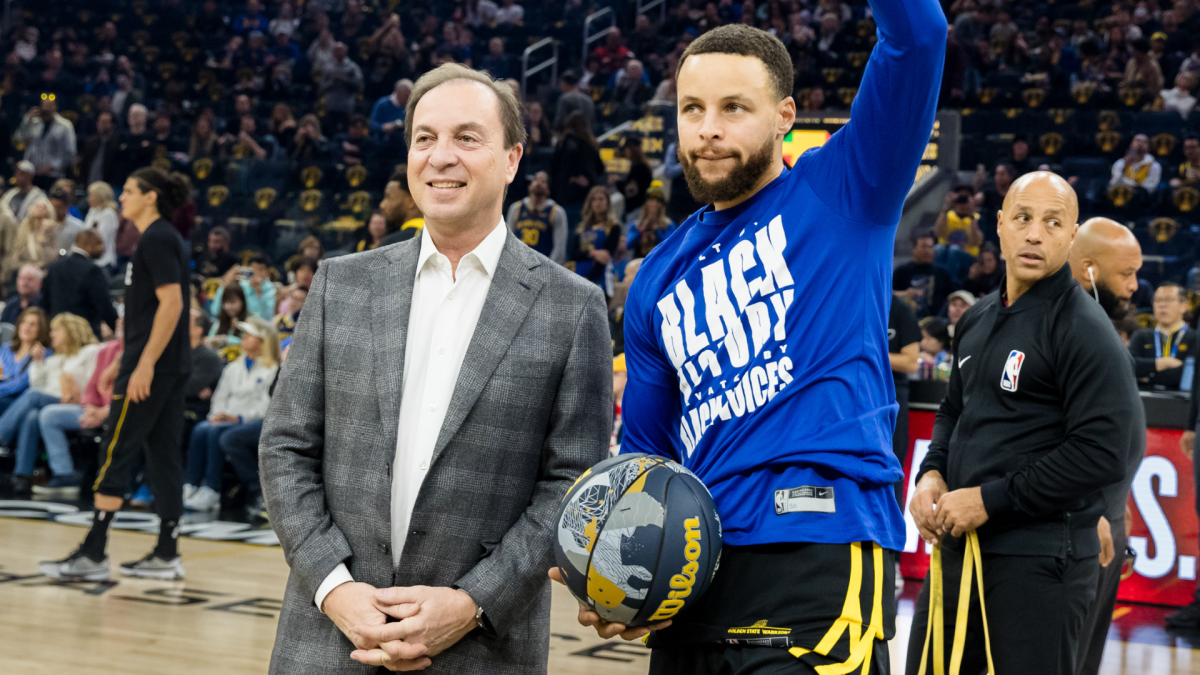
Stephen Curry’s greatness has rarely been in question. The environment around him, however, is increasingly part of the conversation. The idea that Curry is “suffering from the ego of a sequel‑obsessed owner” taps into a growing critique of how some franchises, and perhaps Golden State in particular, are clinging to a championship script that has already run its course.
In Hollywood terms, the Warriors’ dynasty was a blockbuster. The temptation now is to keep greenlighting sequels with the same stars, the same plot, and the same director, even as the supporting cast ages and the market shifts. For an owner, there is obvious appeal: nostalgia sells, banners hang forever, and a familiar core is easier to market than an uncertain rebuild.
For a superstar in his mid‑to‑late 30s, the calculus is more complicated. Curry remains one of the league’s most singular offensive engines, but his window as a top‑tier centerpiece is finite. If organizational decisions are driven more by sentiment and brand protection than by cold competitive logic, the player can become trapped in a legacy project instead of a live title chase.
Around the league, successful front offices have shown a willingness to make painful choices with aging cores. Some have pivoted quickly from beloved stars to asset accumulation, while others have aggressively retooled around their cornerstone instead of simply running it back. The criticism implied in the “sequel‑obsessed owner” label is that Golden State risks doing neither decisively, leaving Curry in a kind of basketball limbo.
This is not about disrespecting what the Warriors built. It is about whether the franchise is prioritizing the future over the familiar. Curry’s presence guarantees relevance, but relevance is not the same as contention. If ownership remains more attached to preserving a dynasty’s mythology than to constructing its next iteration, the cost is measured in the remaining prime seasons of an all‑time great.
In that sense, the “hater report” isn’t pure hate. It’s a warning: even icons can be held back when nostalgia and ego sit too high in the organizational hierarchy.
In Hollywood terms, the Warriors’ dynasty was a blockbuster. The temptation now is to keep greenlighting sequels with the same stars, the same plot, and the same director, even as the supporting cast ages and the market shifts. For an owner, there is obvious appeal: nostalgia sells, banners hang forever, and a familiar core is easier to market than an uncertain rebuild.
For a superstar in his mid‑to‑late 30s, the calculus is more complicated. Curry remains one of the league’s most singular offensive engines, but his window as a top‑tier centerpiece is finite. If organizational decisions are driven more by sentiment and brand protection than by cold competitive logic, the player can become trapped in a legacy project instead of a live title chase.
Around the league, successful front offices have shown a willingness to make painful choices with aging cores. Some have pivoted quickly from beloved stars to asset accumulation, while others have aggressively retooled around their cornerstone instead of simply running it back. The criticism implied in the “sequel‑obsessed owner” label is that Golden State risks doing neither decisively, leaving Curry in a kind of basketball limbo.
This is not about disrespecting what the Warriors built. It is about whether the franchise is prioritizing the future over the familiar. Curry’s presence guarantees relevance, but relevance is not the same as contention. If ownership remains more attached to preserving a dynasty’s mythology than to constructing its next iteration, the cost is measured in the remaining prime seasons of an all‑time great.
In that sense, the “hater report” isn’t pure hate. It’s a warning: even icons can be held back when nostalgia and ego sit too high in the organizational hierarchy.