NBPA says 65-game rule must be 'abolished or reformed,' citing Cade Cunningham's possible awards ineligibility
The players’ union is escalating its pushback against the NBA’s 65-game awards threshold, arguing that the rule is unfairly punishing young stars like Cade Cunningham and distorting the spirit of end-of-season honors.
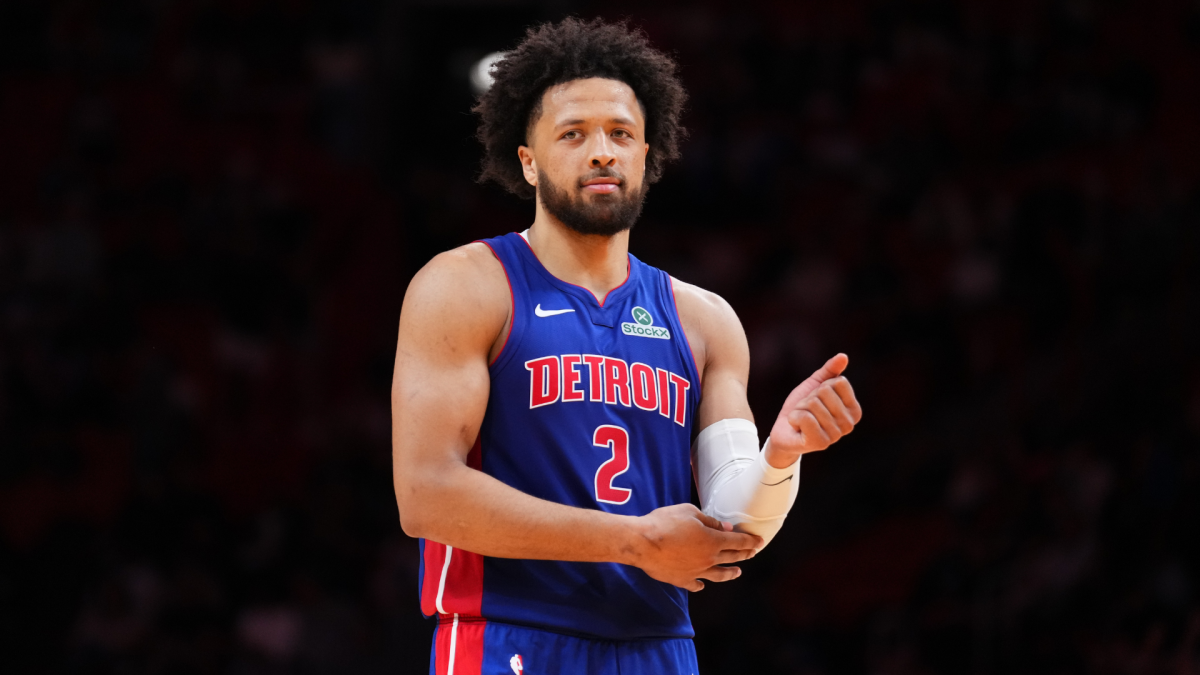
The NBPA’s stance centers on a simple point: availability matters, but a rigid cutoff does not capture the realities of an 82-game season. Cunningham, enjoying the breakout year the Detroit Pistons envisioned when they drafted him No. 1, is the latest high-profile example. Minor injuries and conservative medical decisions could leave him just short of the 65-game mark, effectively removing him from contention for All-NBA and other major awards despite his clear impact.
From the union’s perspective, that is a structural problem, not a one-off casualty. The 65-game rule was negotiated into the latest collective bargaining agreement as a way to curb load management and ensure that the league’s biggest awards go to players who consistently suit up. The NBA and its teams wanted a clean, objective standard that could be easily understood by fans, voters, and television partners.
What has emerged, however, is a series of edge cases. Players who miss time due to legitimate injuries, team-imposed minutes limits, or cautious returns are being lumped together with stars who strategically sit back-to-backs. The NBPA argues that this undermines both competitive integrity and the financial stakes tied to awards, such as supermax eligibility.
Reform could take several forms: more flexible exceptions for injury, a sliding scale that weighs minutes and games together, or a tiered threshold for different awards. The league, wary of backsliding into rampant rest nights, will be cautious about loosening the standard too far.
Cunningham’s situation crystallizes the tension between health, team strategy, and individual recognition. As the NBPA calls for the 65-game rule to be “abolished or reformed,” the broader debate is no longer about one player or one season. It is about whether a hard line can coexist with a league that increasingly prioritizes long-term player health over nightly availability.
The NBPA’s stance centers on a simple point: availability matters, but a rigid cutoff does not capture the realities of an 82-game season. Cunningham, enjoying the breakout year the Detroit Pistons envisioned when they drafted him No. 1, is the latest high-profile example. Minor injuries and conservative medical decisions could leave him just short of the 65-game mark, effectively removing him from contention for All-NBA and other major awards despite his clear impact.
From the union’s perspective, that is a structural problem, not a one-off casualty. The 65-game rule was negotiated into the latest collective bargaining agreement as a way to curb load management and ensure that the league’s biggest awards go to players who consistently suit up. The NBA and its teams wanted a clean, objective standard that could be easily understood by fans, voters, and television partners.
What has emerged, however, is a series of edge cases. Players who miss time due to legitimate injuries, team-imposed minutes limits, or cautious returns are being lumped together with stars who strategically sit back-to-backs. The NBPA argues that this undermines both competitive integrity and the financial stakes tied to awards, such as supermax eligibility.
Reform could take several forms: more flexible exceptions for injury, a sliding scale that weighs minutes and games together, or a tiered threshold for different awards. The league, wary of backsliding into rampant rest nights, will be cautious about loosening the standard too far.
Cunningham’s situation crystallizes the tension between health, team strategy, and individual recognition. As the NBPA calls for the 65-game rule to be “abolished or reformed,” the broader debate is no longer about one player or one season. It is about whether a hard line can coexist with a league that increasingly prioritizes long-term player health over nightly availability.