Rodney Rogers dies at 54: NBA Legend, known as the 'Durham Bull', passes away; check his career records
Rodney Rogers, the rugged forward affectionately nicknamed the “Durham Bull,” has died at 54, leaving the NBA community reflecting on a career defined by power, versatility, and resilience. News of his passing has prompted former teammates, coaches, and fans to revisit a journey that cut across some of the league’s most competitive eras and toughest frontcourts.
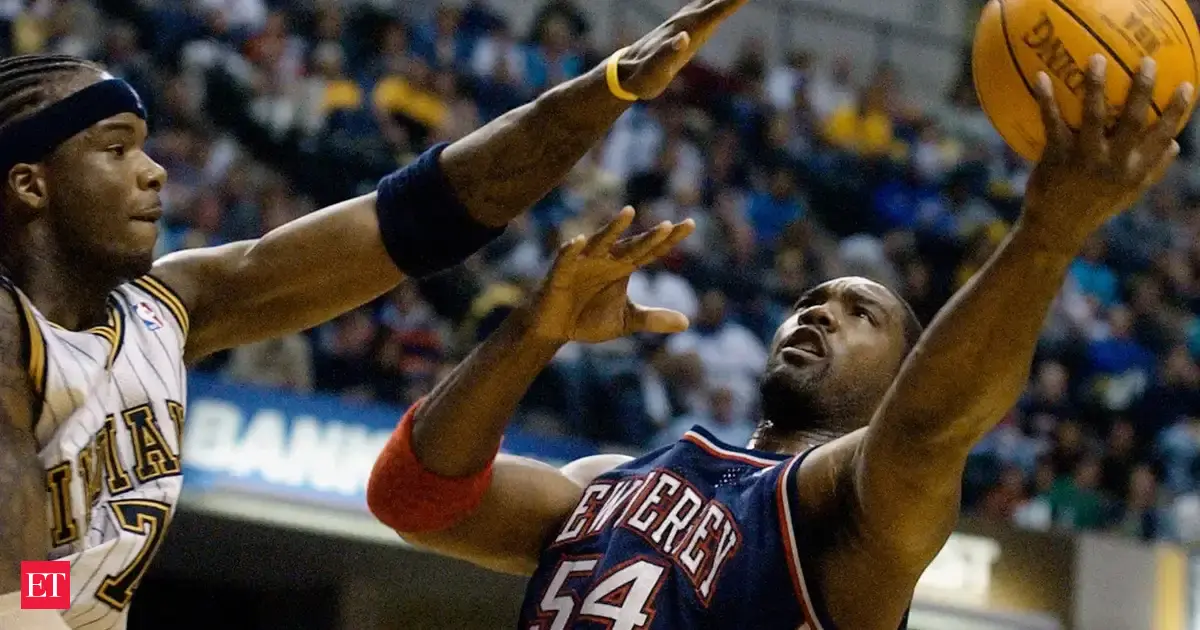
Rogers entered the NBA as a highly regarded prospect, built like a defensive end but skilled like a modern stretch forward. At his peak, he was the prototype of the bruising yet agile wing: strong enough to battle inside, mobile enough to defend multiple positions, and confident stepping out to hit perimeter shots. That blend of size and skill made him a coveted piece for playoff hopefuls looking to raise their physical edge.
He carved out a respected role as a high-impact reserve and occasional starter on several contending teams. Coaches trusted him to change the tempo of games with instant offense and rugged defense, and he developed a reputation as one of the league’s more reliable sixth men. His career honors, including a notable Sixth Man of the Year recognition, reflected how valued his contributions were in an era that increasingly understood the importance of depth.
Within league circles, Rogers is often cited as a bridge between the traditional power forward and the modern hybrid forward. Long before “positionless basketball” became a buzzword, he was spacing the floor, switching onto smaller players, and punishing mismatches in the post. Many of today’s versatile forwards echo the template he helped establish.
Beyond the box score, Rogers’ story resonated because of his toughness and quiet professionalism. He played hard, accepted roles without public complaint, and earned respect in every locker room he entered. His passing is being felt across franchises and fan bases that remember him not only for his stat lines, but for the physical, fearless style that made the “Durham Bull” a memorable figure in NBA history.
Rogers entered the NBA as a highly regarded prospect, built like a defensive end but skilled like a modern stretch forward. At his peak, he was the prototype of the bruising yet agile wing: strong enough to battle inside, mobile enough to defend multiple positions, and confident stepping out to hit perimeter shots. That blend of size and skill made him a coveted piece for playoff hopefuls looking to raise their physical edge.
He carved out a respected role as a high-impact reserve and occasional starter on several contending teams. Coaches trusted him to change the tempo of games with instant offense and rugged defense, and he developed a reputation as one of the league’s more reliable sixth men. His career honors, including a notable Sixth Man of the Year recognition, reflected how valued his contributions were in an era that increasingly understood the importance of depth.
Within league circles, Rogers is often cited as a bridge between the traditional power forward and the modern hybrid forward. Long before “positionless basketball” became a buzzword, he was spacing the floor, switching onto smaller players, and punishing mismatches in the post. Many of today’s versatile forwards echo the template he helped establish.
Beyond the box score, Rogers’ story resonated because of his toughness and quiet professionalism. He played hard, accepted roles without public complaint, and earned respect in every locker room he entered. His passing is being felt across franchises and fan bases that remember him not only for his stat lines, but for the physical, fearless style that made the “Durham Bull” a memorable figure in NBA history.