Spurs robbed by non-goaltend call for Luke Kornet shot vs. Thunder's Cason Wallace
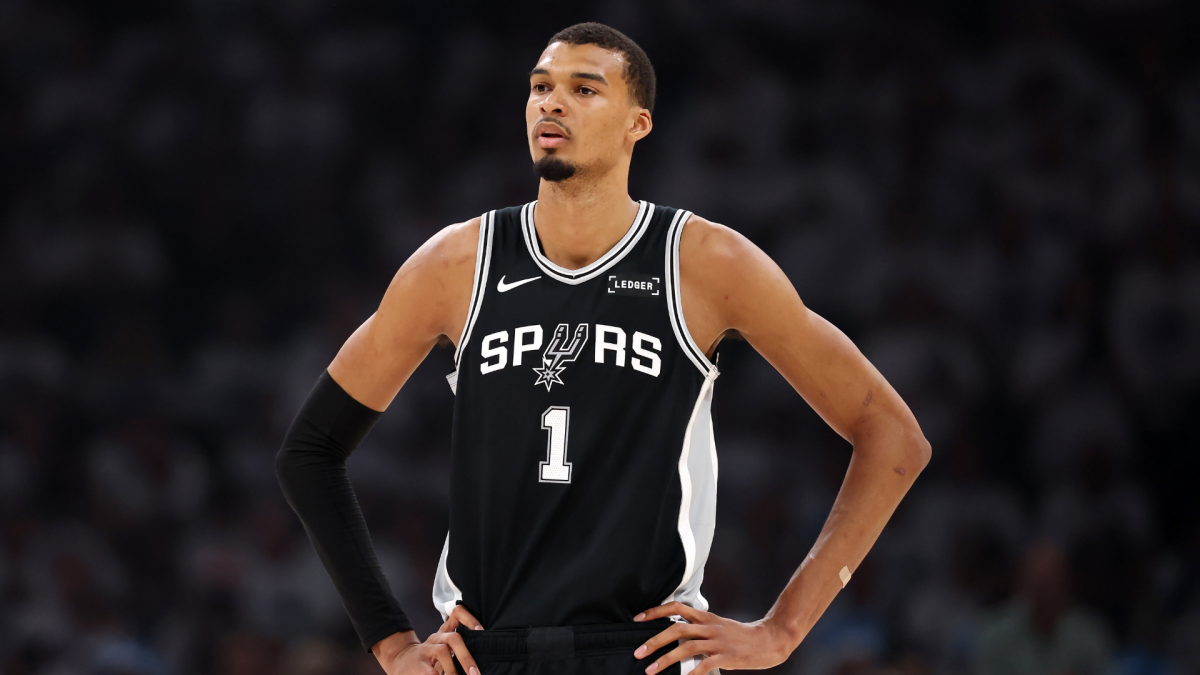
Controversy flared late in San Antonio when a critical no-call on a Luke Kornet attempt against Cason Wallace left the Spurs feeling aggrieved and reignited a familiar debate about goaltending and replay in the NBA.
On the pivotal play, Kornet lofted a short-range shot that Wallace challenged near the rim. The ball appeared to be on its downward path, or at least close to the cylinder, when Wallace made contact. Officials ruled the contest legal in real time and allowed play to continue, declining to whistle a goaltend. For a Spurs team fighting to establish consistency in a crowded Western Conference, the sequence felt like a gut punch.
From San Antonio’s perspective, the frustration is about more than a single possession. Young teams lean on the promise that the margins will be fair, that when they execute late, the whistle won’t tilt the floor. When a judgment call cuts against them in a tight game, it feeds into the narrative that their inexperience doesn’t yet command the same respect as more established contenders.
The Thunder, on the other hand, will point out that bang-bang rim contests are part of elite defense. Wallace has built a reputation as a disciplined perimeter stopper, and his timing and verticality are exactly what coaches preach. In real time, the difference between a spectacular block and a clear goaltend can be nearly impossible to discern.
League-wide, episodes like this sharpen the spotlight on officiating and the limits of the current replay structure. Goaltending calls are notoriously tricky: angles can be deceiving, and the standard for “conclusive” evidence on review is high. The NBA has invested heavily in its replay center and Last Two Minute Reports, but that transparency doesn’t erase the emotional sting when a borderline call shapes an outcome.
For the Spurs, the Kornet-Wallace no-call becomes another entry in a growing ledger of late-game lessons. For the league, it is yet another reminder that in a sport decided by inches and milliseconds, the debate over how much to review, and when, is far from settled.
On the pivotal play, Kornet lofted a short-range shot that Wallace challenged near the rim. The ball appeared to be on its downward path, or at least close to the cylinder, when Wallace made contact. Officials ruled the contest legal in real time and allowed play to continue, declining to whistle a goaltend. For a Spurs team fighting to establish consistency in a crowded Western Conference, the sequence felt like a gut punch.
From San Antonio’s perspective, the frustration is about more than a single possession. Young teams lean on the promise that the margins will be fair, that when they execute late, the whistle won’t tilt the floor. When a judgment call cuts against them in a tight game, it feeds into the narrative that their inexperience doesn’t yet command the same respect as more established contenders.
The Thunder, on the other hand, will point out that bang-bang rim contests are part of elite defense. Wallace has built a reputation as a disciplined perimeter stopper, and his timing and verticality are exactly what coaches preach. In real time, the difference between a spectacular block and a clear goaltend can be nearly impossible to discern.
League-wide, episodes like this sharpen the spotlight on officiating and the limits of the current replay structure. Goaltending calls are notoriously tricky: angles can be deceiving, and the standard for “conclusive” evidence on review is high. The NBA has invested heavily in its replay center and Last Two Minute Reports, but that transparency doesn’t erase the emotional sting when a borderline call shapes an outcome.
For the Spurs, the Kornet-Wallace no-call becomes another entry in a growing ledger of late-game lessons. For the league, it is yet another reminder that in a sport decided by inches and milliseconds, the debate over how much to review, and when, is far from settled.