The SuperSonics are (likely) coming back: How Seattle retained name, history while waiting for NBA's return
Seattle has spent years acting like an NBA city without an NBA team, and now the long-anticipated return of the SuperSonics feels closer than ever. While nothing is official until the league expands or relocates a franchise, momentum around Seattle’s place in the NBA’s future has turned the idea of a Sonics revival from wishful thinking into a realistic expectation.
Crucially, the path back has always been about more than just getting a team. Seattle quietly did the hard work of protecting its basketball identity. The SuperSonics’ name, colors, and historical records remained intact after the franchise moved, preserved through legal agreements and league stewardship. That means when the NBA eventually greenlights a team in Seattle, it will not be starting from scratch. It will be restoring a brand that still carries emotional weight across the league.
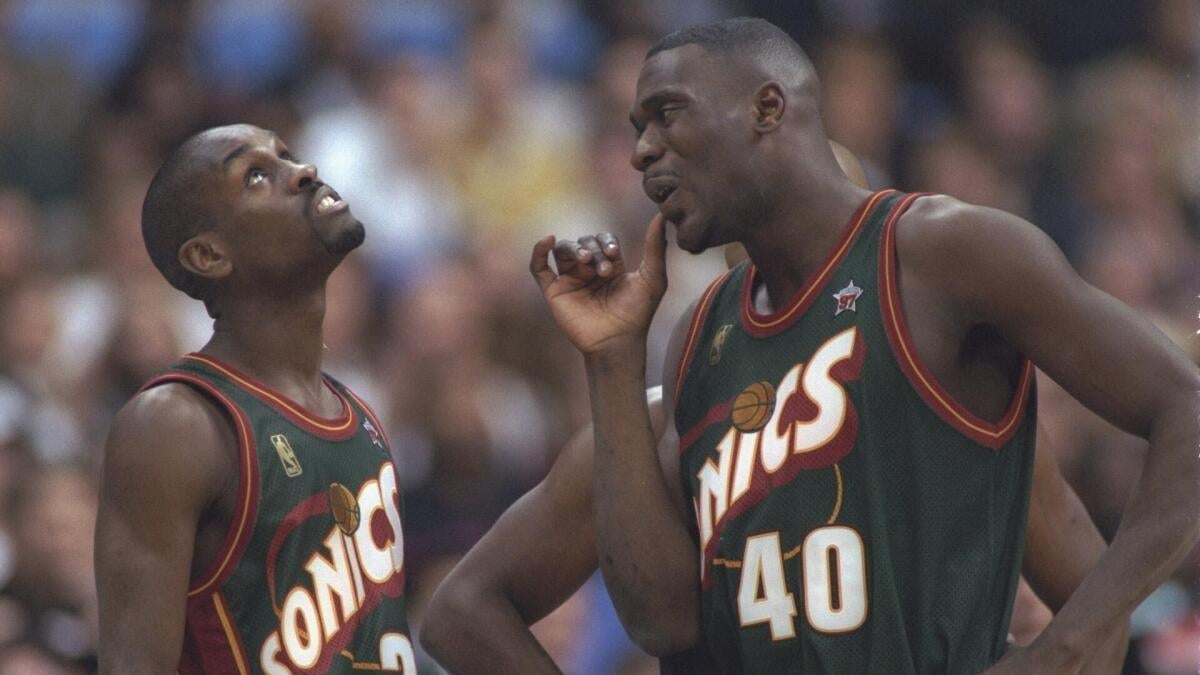
For the NBA, that continuity is a powerful asset. Expansion is about economics and media markets, but it is also about storytelling. Few dormant brands resonate like the Sonics. The green and gold, the roaring KeyArena crowds, the lineage of stars and deep playoff runs: all of it remains part of the league’s official history, not a footnote. Reintroducing the SuperSonics would give the NBA an expansion club with the built-in legitimacy and nostalgia of a legacy franchise.
Seattle’s modern arena infrastructure and corporate base only strengthen the case. The city has proved capable of supporting major league teams and high-end venues, aligning neatly with the NBA’s preference for stable, media-rich markets. From a business standpoint, a revived Sonics organization would enter with strong local demand, national curiosity, and global recognition.
League executives also understand the optics. Bringing back the SuperSonics would be framed not just as expansion, but as a form of restitution to a fan base that never stopped caring. By preserving the name and history, the NBA positioned itself to one day flip a switch: when Seattle returns, it will not feel like a newcomer, but a long-lost original coming home.
Crucially, the path back has always been about more than just getting a team. Seattle quietly did the hard work of protecting its basketball identity. The SuperSonics’ name, colors, and historical records remained intact after the franchise moved, preserved through legal agreements and league stewardship. That means when the NBA eventually greenlights a team in Seattle, it will not be starting from scratch. It will be restoring a brand that still carries emotional weight across the league.
For the NBA, that continuity is a powerful asset. Expansion is about economics and media markets, but it is also about storytelling. Few dormant brands resonate like the Sonics. The green and gold, the roaring KeyArena crowds, the lineage of stars and deep playoff runs: all of it remains part of the league’s official history, not a footnote. Reintroducing the SuperSonics would give the NBA an expansion club with the built-in legitimacy and nostalgia of a legacy franchise.
Seattle’s modern arena infrastructure and corporate base only strengthen the case. The city has proved capable of supporting major league teams and high-end venues, aligning neatly with the NBA’s preference for stable, media-rich markets. From a business standpoint, a revived Sonics organization would enter with strong local demand, national curiosity, and global recognition.
League executives also understand the optics. Bringing back the SuperSonics would be framed not just as expansion, but as a form of restitution to a fan base that never stopped caring. By preserving the name and history, the NBA positioned itself to one day flip a switch: when Seattle returns, it will not feel like a newcomer, but a long-lost original coming home.