Trae Young trade is latest example of an NBA archetype going extinct
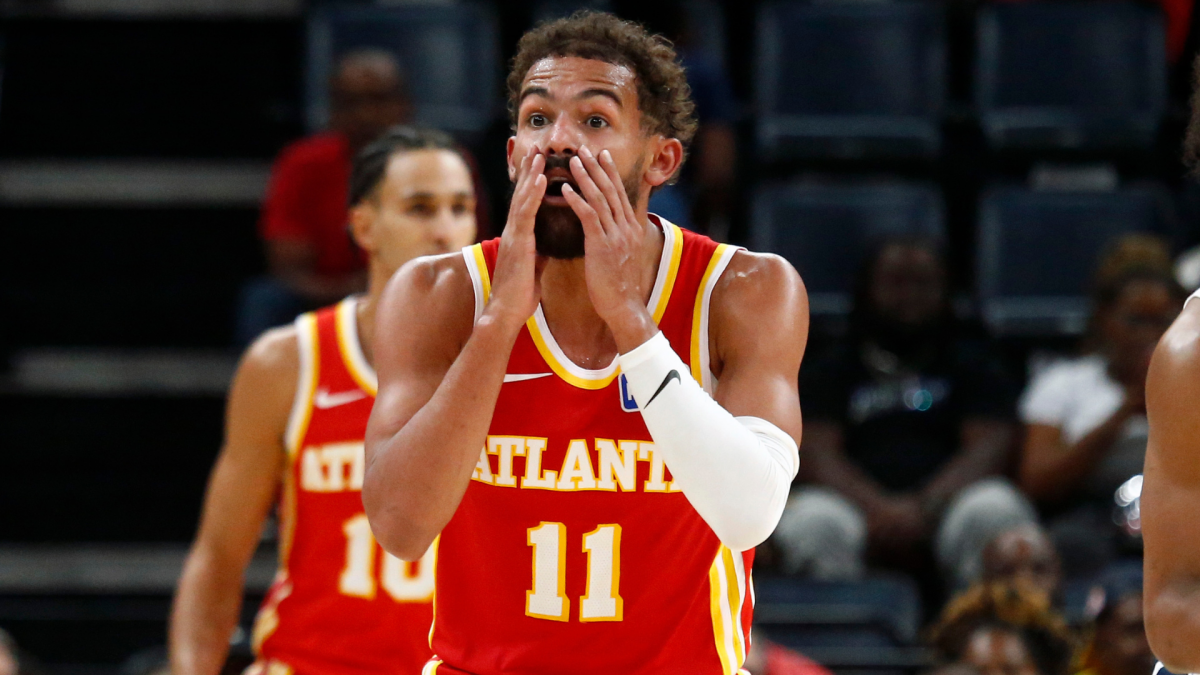
The notification that flashed across NBA circles this week didn't carry the seismic weight of a typical superstar blockbuster. Instead, the Atlanta Hawks sending Trae Young to the Washington Wizards felt less like an earthquake and more like a market correction. The return—widely characterized as a salary dump centered on expiring contracts—confirms a harsh reality that front offices have whispered for months: the era of the undersized, high-usage franchise savior is officially over.
For years, the league operated under the belief that a singular offensive engine, regardless of defensive limitations, warranted a "blank check" roster construction. Young’s magical run to the 2021 Eastern Conference Finals was the apex of this philosophy. However, the modern NBA has ruthlessly pivoted toward length, versatility, and switchability. In 2026, a 6-foot-1 guard who dominates the ball but requires extensive defensive insulation is no longer viewed as a foundational pillar, but rather a tactical complications.
The Hawks clearly read the tea leaves. By handing the keys to Dyson Daniels and Jalen Johnson, Atlanta is prioritizing the new currency of the league: size and two-way impact. They chose the sustainability of a switch-everything defense over the volatile brilliance of "Ice Trae." The punitive nature of the new CBA’s second apron also played a massive role; teams simply cannot afford to pay supermax dollars to players who can be hunted in a seven-game series.
For Washington, the deal is a calculated gamble on talent acquisition. They acquire a premier playmaker to raise their floor, yet even Wizards brass must know Young is likely not the centerpiece of their next contender, but rather a bridge to relevance.
Ultimately, this trade serves as a tombstone for a specific NBA archetype. The league now belongs to the jumbo playmakers and two-way wings. While Young remains an elite offensive talent capable of 30-point explosions, his departure from Atlanta signals that the "heliocentric small guard" model has gone the way of the traditional post-up big man—extinct as a championship blueprint.
For years, the league operated under the belief that a singular offensive engine, regardless of defensive limitations, warranted a "blank check" roster construction. Young’s magical run to the 2021 Eastern Conference Finals was the apex of this philosophy. However, the modern NBA has ruthlessly pivoted toward length, versatility, and switchability. In 2026, a 6-foot-1 guard who dominates the ball but requires extensive defensive insulation is no longer viewed as a foundational pillar, but rather a tactical complications.
The Hawks clearly read the tea leaves. By handing the keys to Dyson Daniels and Jalen Johnson, Atlanta is prioritizing the new currency of the league: size and two-way impact. They chose the sustainability of a switch-everything defense over the volatile brilliance of "Ice Trae." The punitive nature of the new CBA’s second apron also played a massive role; teams simply cannot afford to pay supermax dollars to players who can be hunted in a seven-game series.
For Washington, the deal is a calculated gamble on talent acquisition. They acquire a premier playmaker to raise their floor, yet even Wizards brass must know Young is likely not the centerpiece of their next contender, but rather a bridge to relevance.
Ultimately, this trade serves as a tombstone for a specific NBA archetype. The league now belongs to the jumbo playmakers and two-way wings. While Young remains an elite offensive talent capable of 30-point explosions, his departure from Atlanta signals that the "heliocentric small guard" model has gone the way of the traditional post-up big man—extinct as a championship blueprint.