USA Basketball's road to 2028: New era, new coach, new decisions
USA Basketball is quietly entering one of its most pivotal transition periods in decades, reshaping everything from the sideline leadership to the way rosters are built for the next Olympic cycle and the 2028 Games in Los Angeles.
The first domino is the head coach. After years of relying on established NBA champions to guide the program, USA Basketball must again decide whose voice will define the national team. The choice is less about celebrity and more about fit: a coach who can command respect in a locker room filled with max-contract stars, yet still adapt to the evolving tactics of the international game, where continuity and chemistry often trump raw talent.
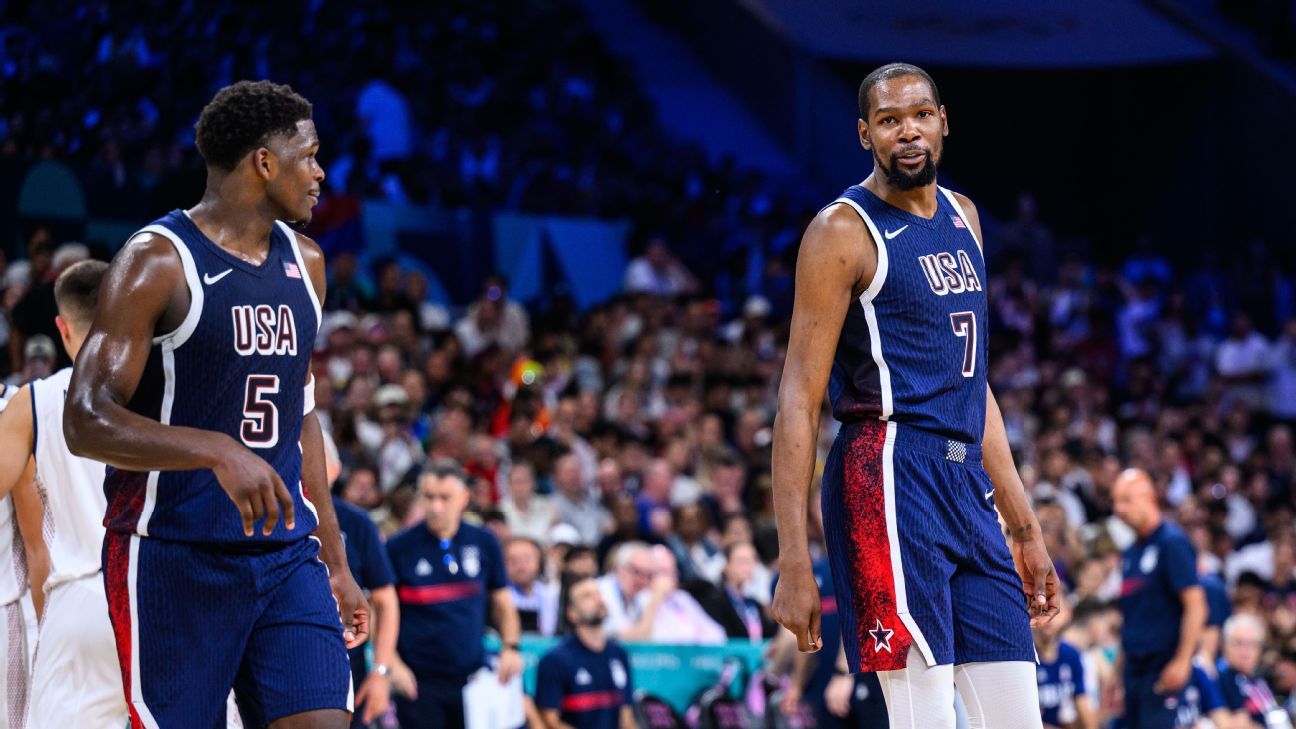
That coaching hire will heavily influence personnel decisions. As the current generation of American superstars edges closer to the back half of their careers, the program has to balance legacy names with emerging faces. The next wave of elite NBA guards and wings is already here, and big men with versatility, shooting range, and defensive mobility are at a premium. How USA Basketball prioritizes those skill sets will shape its identity through 2028.
The global landscape is also shifting. International rosters are stacked with NBA All-Stars and All-NBA talents who play together for years. The United States can no longer assume that a hastily assembled “best of the best” will automatically overwhelm well-drilled opponents. That reality is pushing the program toward greater continuity: more consistent training camps, recurring cores, and role clarity that mirrors successful NBA franchises.
Internally, USA Basketball must decide how closely to mirror modern NBA trends. Pace-and-space offenses, switch-heavy defenses, and five-out lineups have become standard in the league, but international rules and officiating reward physicality, patience, and half-court execution. The next coach and managing staff will need to blend those worlds, crafting schemes that suit NBA stars while respecting FIBA nuances.
As Los Angeles 2028 looms, the United States is not just defending a legacy; it is redesigning it. The decisions made now about leadership, style, and selection will determine whether USA Basketball remains the sport’s gold standard or simply one contender in a crowded global field.
The first domino is the head coach. After years of relying on established NBA champions to guide the program, USA Basketball must again decide whose voice will define the national team. The choice is less about celebrity and more about fit: a coach who can command respect in a locker room filled with max-contract stars, yet still adapt to the evolving tactics of the international game, where continuity and chemistry often trump raw talent.
That coaching hire will heavily influence personnel decisions. As the current generation of American superstars edges closer to the back half of their careers, the program has to balance legacy names with emerging faces. The next wave of elite NBA guards and wings is already here, and big men with versatility, shooting range, and defensive mobility are at a premium. How USA Basketball prioritizes those skill sets will shape its identity through 2028.
The global landscape is also shifting. International rosters are stacked with NBA All-Stars and All-NBA talents who play together for years. The United States can no longer assume that a hastily assembled “best of the best” will automatically overwhelm well-drilled opponents. That reality is pushing the program toward greater continuity: more consistent training camps, recurring cores, and role clarity that mirrors successful NBA franchises.
Internally, USA Basketball must decide how closely to mirror modern NBA trends. Pace-and-space offenses, switch-heavy defenses, and five-out lineups have become standard in the league, but international rules and officiating reward physicality, patience, and half-court execution. The next coach and managing staff will need to blend those worlds, crafting schemes that suit NBA stars while respecting FIBA nuances.
As Los Angeles 2028 looms, the United States is not just defending a legacy; it is redesigning it. The decisions made now about leadership, style, and selection will determine whether USA Basketball remains the sport’s gold standard or simply one contender in a crowded global field.