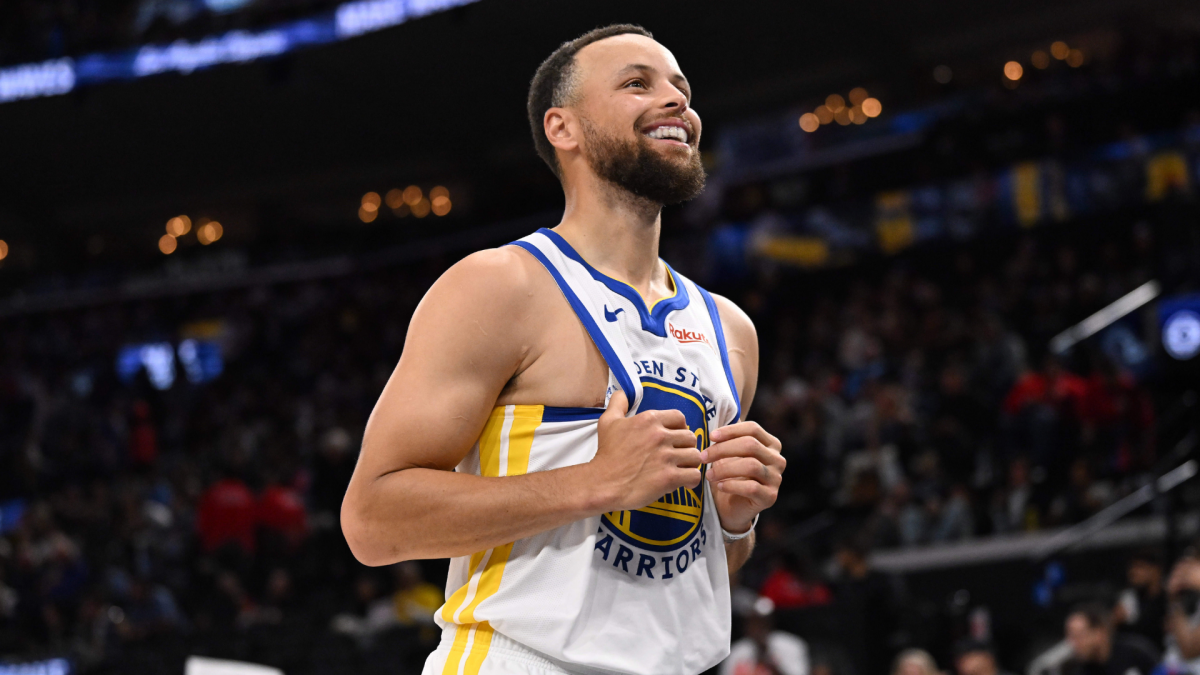
Warriors' Steve Kerr echoes Phil Jackson amid retirement rumors, NBA Play-In exit
Steve Kerr sounded more like a philosopher than a coach as he addressed his future in the wake of the Golden State Warriors’ abrupt NBA Play-In Tournament exit, invoking the calm, big-picture perspective once associated with his former coach Phil Jackson.
Rather than leaning into panic or finality, Kerr framed the moment as part of a natural cycle, emphasizing acceptance, renewal, and the importance of staying present. The tone immediately drew comparisons to Jackson, who was known for treating endings not as failures, but as transitions. For a franchise that has defined the last decade, that framing matters.
The Warriors’ early exit has only intensified speculation about Kerr’s long-term plans. He has nothing left to prove: multiple championships, a reshaped offensive era, and a central role in one of the league’s defining dynasties. With the roster aging and the Western Conference growing younger and deeper, questions about whether Kerr wants to oversee a full-scale transition are unavoidable.
League insiders see parallels with the way Jackson navigated the late stages of the Bulls and Lakers dynasties. Both coaches balanced loyalty to core stars with the cold realities of roster evolution. Kerr now faces a similar crossroads with Stephen Curry still elite, Draymond Green and Klay Thompson at different stages of their careers, and the front office straddling two timelines.
From a broader NBA perspective, Kerr’s next move carries substantial weight. If he stays and embraces a retool, Golden State remains a marquee destination and a strategic bellwether for how veteran contenders pivot in a parity-driven league. If he eventually steps away, he becomes the most coveted coaching figure on the market, and the Warriors are forced to define a post-Kerr identity for the first time in a decade.
For now, his Jackson-like messaging signals a coach intent on perspective over panic. Whether that philosophy guides a new chapter in Golden State or serves as a prelude to an eventual exit is the question hanging over the franchise and the league alike.
Rather than leaning into panic or finality, Kerr framed the moment as part of a natural cycle, emphasizing acceptance, renewal, and the importance of staying present. The tone immediately drew comparisons to Jackson, who was known for treating endings not as failures, but as transitions. For a franchise that has defined the last decade, that framing matters.
The Warriors’ early exit has only intensified speculation about Kerr’s long-term plans. He has nothing left to prove: multiple championships, a reshaped offensive era, and a central role in one of the league’s defining dynasties. With the roster aging and the Western Conference growing younger and deeper, questions about whether Kerr wants to oversee a full-scale transition are unavoidable.
League insiders see parallels with the way Jackson navigated the late stages of the Bulls and Lakers dynasties. Both coaches balanced loyalty to core stars with the cold realities of roster evolution. Kerr now faces a similar crossroads with Stephen Curry still elite, Draymond Green and Klay Thompson at different stages of their careers, and the front office straddling two timelines.
From a broader NBA perspective, Kerr’s next move carries substantial weight. If he stays and embraces a retool, Golden State remains a marquee destination and a strategic bellwether for how veteran contenders pivot in a parity-driven league. If he eventually steps away, he becomes the most coveted coaching figure on the market, and the Warriors are forced to define a post-Kerr identity for the first time in a decade.
For now, his Jackson-like messaging signals a coach intent on perspective over panic. Whether that philosophy guides a new chapter in Golden State or serves as a prelude to an eventual exit is the question hanging over the franchise and the league alike.