What Derrick Rose's jersey retirement meant to the Bulls, who have been lost since he left
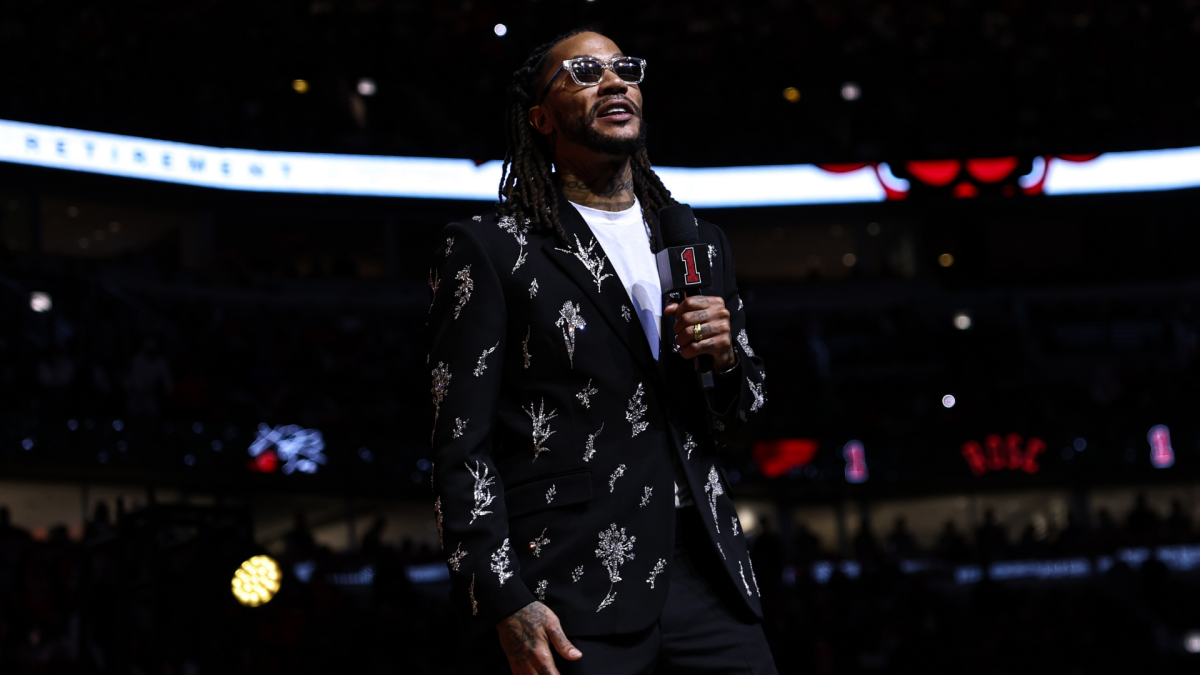
The sight of Derrick Rose’s number lifted into the rafters did more than honor a former MVP. It forced the Chicago Bulls to confront how much of their identity walked out the door when he did.
Rose was never just a star; he was the embodiment of a franchise trying to define itself in the long shadow of Michael Jordan. His jersey retirement crystallized that era, framing it as the last time the Bulls felt like they had a clear direction, a singular face, and a shared sense of purpose with their fan base. Since his departure, Chicago has cycled through front-office retools, coaching changes, and roster overhauls, but the connective tissue that Rose provided has been missing.
From a league-wide perspective, Rose’s ceremony underscored how rare it is for a player to align so perfectly with a city’s psyche. Other franchises have transitioned cleanly from one star to the next; the Spurs moved from Duncan to a new generation, the Warriors bridged eras around Stephen Curry. The Bulls, by contrast, have struggled to establish a coherent post-Rose vision. They’ve toggled between rebuilding and competing, never fully committing to either, and the result has been a team that often feels stuck in the middle.
Rose’s number going up also highlighted the emotional gap between nostalgia and reality. The crowd’s response, the reverence from peers around the league, and the global attention reminded everyone that Chicago is still viewed as a “sleeping giant” market. Yet the on-court product has rarely matched that perception. The Bulls have lacked not only a true franchise cornerstone, but also the stylistic identity that once made them appointment viewing.
In that sense, the retirement was both a celebration and a challenge. It honored what Rose meant to the organization while subtly asking whether the Bulls are any closer to finding the next player, and vision, capable of pulling them out of the wilderness he unintentionally left behind.
Rose was never just a star; he was the embodiment of a franchise trying to define itself in the long shadow of Michael Jordan. His jersey retirement crystallized that era, framing it as the last time the Bulls felt like they had a clear direction, a singular face, and a shared sense of purpose with their fan base. Since his departure, Chicago has cycled through front-office retools, coaching changes, and roster overhauls, but the connective tissue that Rose provided has been missing.
From a league-wide perspective, Rose’s ceremony underscored how rare it is for a player to align so perfectly with a city’s psyche. Other franchises have transitioned cleanly from one star to the next; the Spurs moved from Duncan to a new generation, the Warriors bridged eras around Stephen Curry. The Bulls, by contrast, have struggled to establish a coherent post-Rose vision. They’ve toggled between rebuilding and competing, never fully committing to either, and the result has been a team that often feels stuck in the middle.
Rose’s number going up also highlighted the emotional gap between nostalgia and reality. The crowd’s response, the reverence from peers around the league, and the global attention reminded everyone that Chicago is still viewed as a “sleeping giant” market. Yet the on-court product has rarely matched that perception. The Bulls have lacked not only a true franchise cornerstone, but also the stylistic identity that once made them appointment viewing.
In that sense, the retirement was both a celebration and a challenge. It honored what Rose meant to the organization while subtly asking whether the Bulls are any closer to finding the next player, and vision, capable of pulling them out of the wilderness he unintentionally left behind.