Who's to blame for Rockets' embarrassing first-round exit, and what comes next after a disastrous season?
The Houston Rockets entered the postseason believing their rebuild had turned a corner. Instead, they crashed out in the first round in lopsided fashion, reviving old questions about direction, accountability, and what it truly takes to climb from promising upstart to legitimate contender.
Blame, as always, is layered. The front office bears the broadest share. This roster was constructed to fast‑track competitiveness, blending recent lottery picks with veteran additions meant to stabilize the locker room and raise the floor. That approach produced visible regular‑season growth, but the playoffs exposed a lack of top‑end star power and two‑way versatility. In a league increasingly defined by matchup hunting and lineup flexibility, Houston’s pieces didn’t fit cleanly enough when the game slowed and weaknesses were targeted.
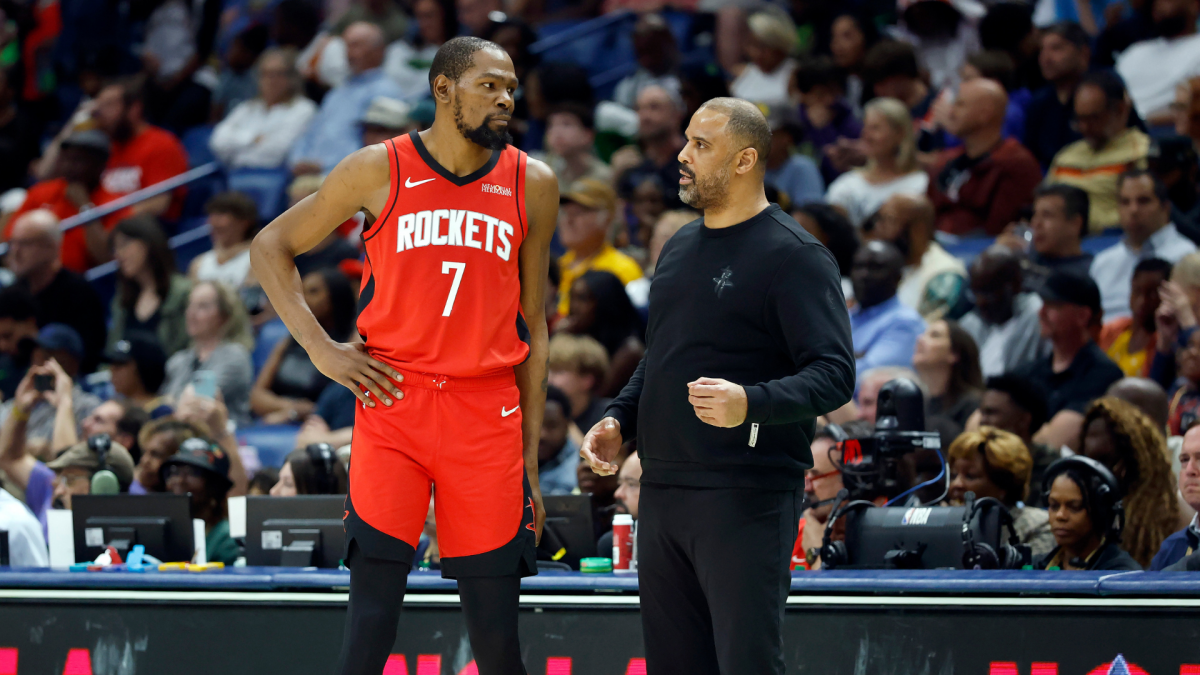
Coaching is under the microscope as well. The Rockets have an identifiable defensive identity and a clearer offensive structure than in previous seasons, but the series highlighted stagnant half‑court sets, predictable late‑game actions, and slow adjustments. Postseason basketball demands rapid counters: rotation tweaks, creative small‑ball looks, and tailored schemes for specific opponents. Houston too often looked reactive instead of proactive.
The players are not exempt. Young core pieces flashed their talent but struggled with consistency, shot selection, and composure under playoff pressure. Veterans, brought in for stability, failed to consistently elevate the group when the series tilted. The gap between regular‑season comfort and postseason intensity was obvious.
What comes next is pivotal. League‑wide, the Rockets are still viewed as one of the more intriguing young situations, but that optimism is conditional. They must decide whether to double down on internal development or leverage assets for a true star. Expect a hard look at the backcourt’s fit, the need for a more dynamic offensive hub, and additional shooting and size on the wings.
Stability matters, so wholesale changes are unlikely. Yet marginal moves will not be enough. Houston’s front office has cap flexibility, draft capital, and tradable contracts. The mandate now: transform a promising, energetic roster into one that can survive the scrutiny and brutality of playoff basketball, so that this year’s exit becomes a painful turning point, not a defining pattern.
Blame, as always, is layered. The front office bears the broadest share. This roster was constructed to fast‑track competitiveness, blending recent lottery picks with veteran additions meant to stabilize the locker room and raise the floor. That approach produced visible regular‑season growth, but the playoffs exposed a lack of top‑end star power and two‑way versatility. In a league increasingly defined by matchup hunting and lineup flexibility, Houston’s pieces didn’t fit cleanly enough when the game slowed and weaknesses were targeted.
Coaching is under the microscope as well. The Rockets have an identifiable defensive identity and a clearer offensive structure than in previous seasons, but the series highlighted stagnant half‑court sets, predictable late‑game actions, and slow adjustments. Postseason basketball demands rapid counters: rotation tweaks, creative small‑ball looks, and tailored schemes for specific opponents. Houston too often looked reactive instead of proactive.
The players are not exempt. Young core pieces flashed their talent but struggled with consistency, shot selection, and composure under playoff pressure. Veterans, brought in for stability, failed to consistently elevate the group when the series tilted. The gap between regular‑season comfort and postseason intensity was obvious.
What comes next is pivotal. League‑wide, the Rockets are still viewed as one of the more intriguing young situations, but that optimism is conditional. They must decide whether to double down on internal development or leverage assets for a true star. Expect a hard look at the backcourt’s fit, the need for a more dynamic offensive hub, and additional shooting and size on the wings.
Stability matters, so wholesale changes are unlikely. Yet marginal moves will not be enough. Houston’s front office has cap flexibility, draft capital, and tradable contracts. The mandate now: transform a promising, energetic roster into one that can survive the scrutiny and brutality of playoff basketball, so that this year’s exit becomes a painful turning point, not a defining pattern.